



When you hear the term “SME”, what do you think? Is it the small spaza shop on the corner, the four-person team running a firm, or the freelancer from the creative industry? Micro-enterprises are often the one-(wo)man band that has turned passion into profit.
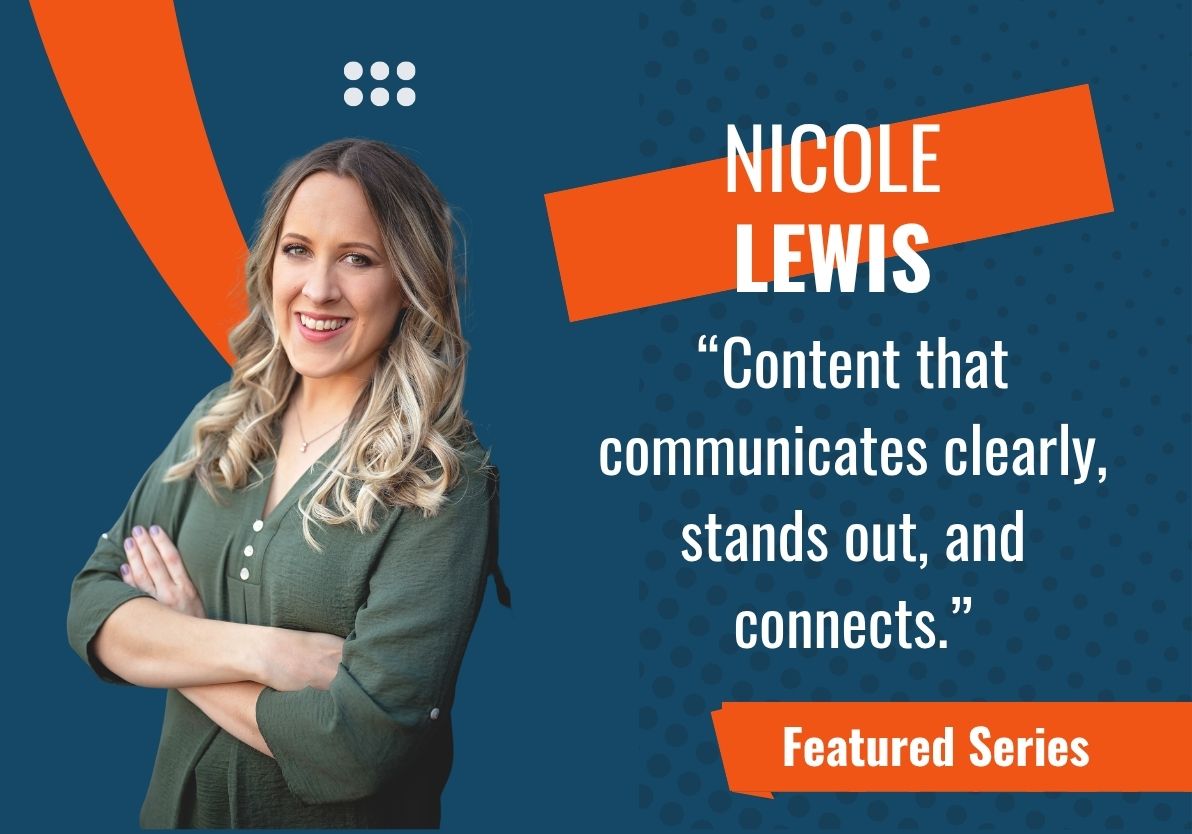
Starting in family photography, Nicole Lewis, Founder of Captured by Nicole, built a business that fit into her lifestyle while giving her the freedom to express herself creatively and help build other businesses. “I started my photography career focusing on families, which is something I still find incredibly special,” Lewis shares. “Capturing those moments is so meaningful, but as a mom of two young girls, the timing of family shoots (weekends and sunset sessions) became challenging, and I knew I needed to build something that was more sustainable long-term.
“The shift into brand and content photography happened quite organically. I was surrounded by inspiring women who encouraged me to explore new opportunities, and I quickly realised how much I loved working with businesses, understanding their products, their stories, and bringing that to life visually.”
Lewis notes that it was still a learning curve. “I didn’t even know where the video button was on my camera at one point. But when I was asked to step up and offer video content, I leaned in, taught myself, upgraded my gear, and expanded my offering,” she says. “What started as simply taking photos has evolved into something much more intentional. Today, my business focuses on creating strategic photo and video content for brands, helping them show up consistently, professionally, and in a way that truly reflects the value of what they offer.”
Delivering Value through the Creator Economy
According to Lewis, the way people discover and connect with businesses has completely changed. “Most customers are engaging with brands online long before they ever step into a store or make a purchase, and that first impression is almost always visual.
As a photographer and videographer for other brands, Lewis herself is a part of the creator economy. “We’re living in a time where content isn’t optional anymore; it’s essential.
Lewis states that the biggest mistake she often sees clients make before she becomes involved is a lack of intention and consistency. “Many businesses are posting content without really knowing why – there’s no clear message, no defined audience, and no strategy behind it. As a result, the content doesn’t connect or convert. Consistency is another big challenge. Businesses will post when they feel inspired or have time, but then disappear for weeks.”
In today’s digital world, staying visible is key. That’s why it is such a huge problem if there is no execution. “Business owners are trying – they’re taking photos and creating content, but without the right eye, storytelling, or structure, it doesn’t have the impact it could.
If Lewis could fix one thing for every brand, it would be this: to help them be intentional with their content. “Know what you want to say, who you’re speaking to, and show up consistently in a way that reflects the value of your business,” she adds.
“There’s a common misconception that because everyone has a smartphone, anyone can create effective content. While that’s true to a degree, creating content that actually connects, builds trust, and leads to sales is very different from simply posting a photo.”
This is where Lewis noticed a gap and has positioned herself in business as their solution. “What I see often is that businesses want to show up online, but they struggle with consistency, direction, and having enough content. They either don’t know what to capture or they have content sitting on their phones that they don’t know how to use effectively. That’s where creators come in.”
The Business of Content Creation for Brands
Lewis defines her role as follows: “My role is to not only create high-quality visuals, but to help brands build a content library they can actually use intentionally, aligned to their audience, and designed to help them show up consistently.”
She highlights that this shift from photographer to content creator happened over time. “In the beginning, I saw myself as a photographer, someone hired to take beautiful images. But as I worked more closely with brands, I started to see the bigger picture. Clients would tell me that people had discovered them through their content, or that products were selling because of how they were being showcased.”
That’s when she realised it wasn’t just about aesthetics, it was about impact. “Now, I see my role very differently. I’m not just creating content, I’m helping brands come to life online. I’m helping them communicate their value, attract the right audience, and ultimately turn that into real business growth.”
Delivering Creative Services
I’ve also started moving towards a more full-service approach, collaborating with experts in social media and digital strategy. This means my clients don’t just receive beautiful content – they have a clear plan for how to use it effectively. It allows them to focus on running their business, while we take care of how they show up online.”
Assisting brands means that she also needs to understand how to approach content for each type of business – content for a service-based business and a product-based business looks vastly different. “With product-based businesses, the focus is on creating desire. The content needs to make someone feel like they need that product. That comes down to thoughtful styling, lighting, detail, and creating scenes that help customers imagine the product in their own lives.
“With service-based businesses, it’s more about connection and trust. People are buying into a person, a team, or an experience, so the content needs to reflect that. This could be through behind-the-scenes moments, team imagery, or capturing real interactions that feel authentic.
“I genuinely enjoy both for different reasons. Product shoots allow me to be creative and intentional with styling and composition, while service-based shoots are more about making people feel comfortable and confident, and capturing that natural connection.”
Looking At Content
“We live in a world where people are constantly scrolling, and decisions are made within seconds. Visual content is often the very first interaction someone has with a brand, before they read a caption, visit a website, or make an enquiry. That means your imagery is setting the tone immediately. Strong visuals build trust. They show that a brand is professional, established, and confident in what they offer. They create a feeling and draw people in.
“On the other hand, poor or inconsistent content can do the opposite. It can make a brand feel unpolished or unclear, even if what they offer is actually incredible. It’s not just about creating something ‘pretty’, it’s about creating content that communicates clearly, stands out, and connects with the right audience.”