


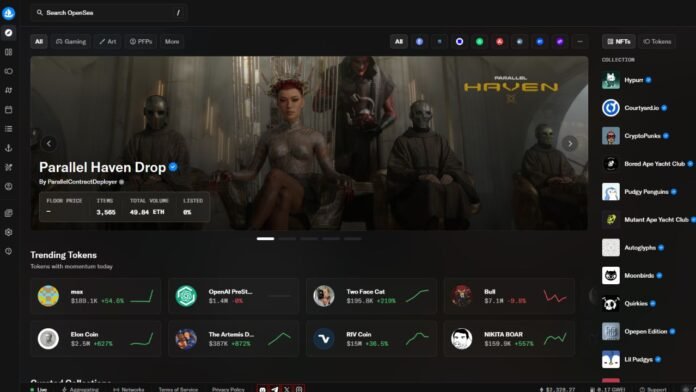
OpenSea just delayed its token launch indefinitely and cut trading fees to 0% for a limited time. The platform is also shifting beyond NFTs into a broader multi-chain trading hub as the NFT market cools after its peak. An NFT (non-fungible token) is a unique digital asset stored on a blockchain that represents ownership of items such as art, music, or collectibles.
Here’s how OpenSea works today, what’s changed, and what it means for you.
Key Takeaways
- OpenSea is a marketplace where you buy, sell, and discover NFTs and other digital assets.
- It operates as a non-custodial platform, which means you keep control of your own wallets and assets.
- The platform supports multiple blockchain networks, giving you more flexibility when trading NFTs.
- OpenSea includes digital assets such as art, music, collectibles, and gaming items.
- Buyers can purchase NFTs at a fixed price or through auction-style listings.
What Is OpenSea?

OpenSea is an NFT marketplace where you can buy, sell, and discover digital assets online. These include artwork, music, collectibles, and even in-game items. Unlike a typical online store, OpenSea runs on blockchain technology, which acts as a public record that tracks ownership.
That means every item is unique and verifiable. When you buy an NFT, you get proof that you own that specific digital asset. The platform rose to prominence during the NFT boom, reaching a peak valuation of $13.3 billion in 2022, when digital ownership surged into mainstream attention.
OpenSea has expanded into a multi-chain trading hub, now supporting 22 blockchains, alongside new tools like a mobile app and upcoming trading features.
What is OpenSea used for?
- Buying and selling NFTs: OpenSea allows you to trade NFTs like digital art, music, and collectibles.
- Creating and minting NFTs: Artists and creators can mint their own NFTs directly on the platform.
- Exploring digital assets: You can browse a wide variety of NFTs, from virtual real estate to gaming items.
- Connecting creators and collectors: OpenSea provides a decentralized space for creators to showcase their work and for collectors to discover unique assets.
- Supporting multiple blockchains: The platform integrates with various blockchain networks, offering you flexibility.
How Does OpenSea Work?

OpenSea works by connecting you directly to a blockchain, which is a public digital system that records transactions and ownership. When someone buys or sells an NFT, the transaction gets recorded on the blockchain, so anyone can verify and track it over time. This is part of the broader blockchain system, where you can check details like ownership history and pricing activity.
To get started, you connect a crypto wallet, which is a digital tool that stores your assets and allows you to interact with the platform. From there, you can browse listings, place bids, or list items for sale.
OpenSea doesn’t hold the assets itself. Instead, it’s a marketplace that links buyers and sellers. Because of this model, OpenSea grew into the largest NFT marketplace, making it easier for people to trade digital assets without needing a middleman.
OpenSea Features and Functions
OpenSea offers a range of features and functions that make it a versatile platform for NFT enthusiasts:
- Multi-blockchain compatibility: OpenSea supports popular blockchains like Ethereum, Polygon, and Solana, providing you with flexibility and lower transaction fees.
- Diverse NFT categories: From digital art and music to virtual real estate and gaming items, OpenSea supports a wide variety of non-fungible tokens.
- User-friendly interface: The platform is designed to be intuitive, making it easy for beginners to navigate and trade NFTs.
- Creator royalties: OpenSea ensures that creators earn royalties on secondary sales, providing ongoing earnings for artists.
How to Buy NFTs on OpenSea
Buying NFTs on OpenSea follows a few key steps that connect your wallet:
1. Set Up a Crypto Wallet
Start by creating a cryptocurrency wallet, such as MetaMask or Coinbase Wallet. This wallet securely stores your funds and any NFTs you buy.
2. Fund Your Wallet
Add cryptocurrency, typically Ethereum (ETH), to your wallet. This is essential for making purchases and covering transaction costs, known as gas fees.
3. Connect Your Wallet to OpenSea
Visit OpenSea’s website and click the blue “Connect” button on the top right corner to link your wallet. The platform will walk you through the steps.
4. Browse the Marketplace
Explore OpenSea’s extensive collection of NFTs. Use filters for category, price, blockchain, and more to refine your search and find the perfect digital asset.
5. Make a Purchase
Once you’ve found an NFT you want, you can either place a bid or buy it outright, depending on the seller’s listing preferences.
How to Create an NFT on OpenSea
Creating an NFT on OpenSea starts with a digital file and a connected crypto wallet. You upload the file, which could be an image, audio, or video, and then add details like a name, description, and properties.
After that, you mint the NFT, which means recording it on a blockchain so it becomes a unique, verifiable digital asset. This process turns your file into something that can be owned, tracked, and transferred online.
As the crypto market continues to grow, more creators are turning to platforms like OpenSea to trade unique digital assets without relying on traditional galleries or intermediaries. OpenSea supports multiple blockchains, giving you flexibility in where to mint and list your NFTs, and making it easier to reach different audiences across the ecosystem.
How to Sell NFTs on OpenSea
OpenSea gives you two main options when listing an NFT for sale:
Fixed-Price Sale
You set a specific price for your NFT, and buyers can purchase it instantly without bidding. It’s straightforward and works well when you have a clear idea of what your asset is worth.
Timed-Auction Sale
If you’re looking to generate excitement and competition, a timed auction is a practical solution. You set a starting price and a time limit, and buyers place bids until the auction ends. This method can help maximize the value of your NFT, especially for rare or highly sought-after items.
What Is OpenSea OS2?
OpenSea OS2 is the platform’s next evolution, built to make trading digital assets faster and more flexible. It introduces improved tools and a smoother experience, supporting OpenSea’s shift toward a multi-chain trading hub.
OpenSea Pro: Features for Advanced Traders
OpenSea Pro is built for experienced traders who need more control and deeper insights. It includes advanced analytics, customizable dashboards, and bulk listing tools, so you can manage your portfolio more efficiently. You can also connect multiple wallets to track assets across different accounts and execute trades with more precision.
Risks of Using OpenSea
While OpenSea is a leading platform for trading unique digital assets, it isn’t without its risks:
- Fake and counterfeit NFTs: In January 2022, OpenSea reported that 80% of of freely minted NFTs on the platform were plagiarized, fakes, or spam. Before buying, check whether a collection has a verified badge, review the seller’s history, and be suspicious of unusually low prices.
- Phishing: Scammers regularly impersonate OpenSea through fake emails, copycat websites, and fraudulent social media accounts to trick users into signing bad transactions or revealing wallet details. Never click links in unsolicited emails claiming to be from OpenSea. Always navigate directly to opensea.io.
- Bidding scams: In auction listings, some bad actors place high bids then switch the payment currency to a lower-value token before the sale completes. Always confirm the exact currency and amount before accepting any offer.
- Wallet security: Because OpenSea is non-custodial, your assets are only as secure as your wallet. Never share your seed phrase or private key with anyone. Use hardware wallets for large amounts as they are harder to compromise, enable 2FA where possible, and avoid connecting to untrusted sites.
- Irreversible transactions: Blockchain transactions cannot be undone. Sending funds to the wrong address or buying the wrong asset means permanent loss. Double-check wallet address and amount before sending.
- High or unpredictable fees: Gas fees (transaction costs on blockchains like Ethereum) can spike depending on network activity.
- Market volatility: NFT prices can rise quickly but also drop sharply. Many assets lose value over time if demand fades. Only invest what you can afford to lose.
Understanding these risks helps you avoid costly mistakes, especially if you’re new to crypto.
OpenSea Competitors: Which NFT Marketplace Is Better?
The NFT marketplace landscape is diverse, with several platforms offering unique features and benefits. OpenSea’s key competitors include:
Magic Eden
Magic Eden is a popular NFT marketplace known for its focus on Solana-based NFTs. It offers low transaction fees and a user-friendly interface, making it an attractive option for creators and collectors alike.
Blur & Tensor
Blur and Tensor cater to advanced traders by providing tools for bulk transactions, real-time analytics, and customizable dashboards. These platforms are ideal if you prioritize efficiency and detailed market insights.
Rarible
Rarible stands out for its community-driven approach, allowing you to participate in governance decisions through its native token, RARI. It supports multiple blockchains, offering flexibility for creators and traders.
Courtyard
Courtyard bridges the gap between physical and digital assets. It allows you to tokenize physical collectibles, enabling you to trade these items as NFTs while ensuring authenticity and security.
Best NFT Collections on OpenSea in 2026

The best NFT collections on OpenSea include:
- CryptoPunks: As one of the earliest NFT projects, it remains a top-tier store of value.
- Bored Ape Yacht Club (BAYC): A premier brand offering exclusive membership perks and community engagement.
- Pudgy Penguins: Known for evolving into a reputable consumer brand with impressive market performance.
- Mutant Ape Yacht Club (MAYC): A high-volume, high-liquidity alternative to the BAYC collection, appealing to diverse traders.
Final Thoughts
After surviving a near-collapse in trading volume, OpenSea has quietly rebuilt itself from the ground up and emerged stronger. The platform weathered a brutal drop in monthly revenue, from a peak of $125 million in January 2022 down to just $3 million by late 2023. Yet instead of fading away, it pivoted hard, embracing multiple blockchains and expanding far beyond NFTs into full token trading.
That shift is paying off. In October 2025, OpenSea crossed $2.6 billion in total trading volume, with over 90% of it coming from fungible tokens rather than NFTs. What started as the dominant NFT marketplace has now become a broad, multi-chain on-chain trading hub that happens to still do NFTs very well.
FAQs
What is OpenSea and how does it work?
OpenSea is a marketplace for trading unique digital assets called NFTs. It allows you to buy, sell, and create NFTs across multiple blockchains, functioning like an online marketplace for digital collectibles.
Is OpenSea good for beginners?
Yes, OpenSea is beginner-friendly. Its intuitive interface and extensive guides make it easy for you to trade unique digital assets and explore the NFT market.
How do I create an OpenSea account?
Go to OpenSea, select Connect Wallet, then enter your email to create an account or connect an existing crypto wallet. Once connected, you can start exploring, buying, and selling NFTs immediately.
How do you make money on OpenSea?
You make money on OpenSea by selling NFTs. You can also earn royalties on secondary sales, while traders profit by buying low and selling high.
Is it free to sell on OpenSea?
No. OpenSea charges a 1% selling fee, plus up to 10% for minting in primary drops, and 0.85% for swaps. You may also pay blockchain gas fees depending on the network you use.
Can I convert NFT to real money?
Yes. First, sell your NFT on a marketplace like OpenSea in exchange for cryptocurrency (such as ETH), then convert the crypto to cash through an exchange and withdraw it.
How much does 1 NFT cost?
There’s no fixed price. An NFT can cost anywhere from a few dollars to thousands or more, depending on demand, rarity, and the collection.
The post What Is OpenSea? How It Works, Features, and Setup in 2026 appeared first on Memeburn.