


Transport and logistics are two of the biggest economic drivers in South Africa. In recent years, the market has seen significant transformations driven by several key factors, such as the growth of e-commerce, which has increased demand for parcel delivery services, pushing logistics providers to enhance their delivery networks and technology solutions.
Also, South Africa’s logistics and transport sector contributes approximately 9,3% to GDP, though it faces challenges with high costs and infrastructure constraints. Road freight dominates, moving over 80% of goods. The sector employed roughly 1,12 million people as of Q2 2025, with logistics revenue projected to reach USD 137,4 billion by 2030.
As much as this sector is performing consistently, global trade wars have left businesses struggling for fuel and having to rely on low supply. Operating in such an unpredictable market means logistics and transport businesses need to leverage various resources for effective fuel management.
In this article, we look at what fuel management is, what a fuel management system is and how to develop an effective fuel management strategy.
What is Fuel Management?
Fuel management is the strategic process of monitoring, controlling, and optimising fuel consumption to reduce operational costs and emissions. It uses technology to track real-time fuel usage, prevent theft, analyse driver behaviour, and improve routing efficiency.
To effectively monitor, control and optimise fuel consumption, small to medium-sized enterprises (SMEs) should utilise a fuel management system.
What is a Fuel Management System?
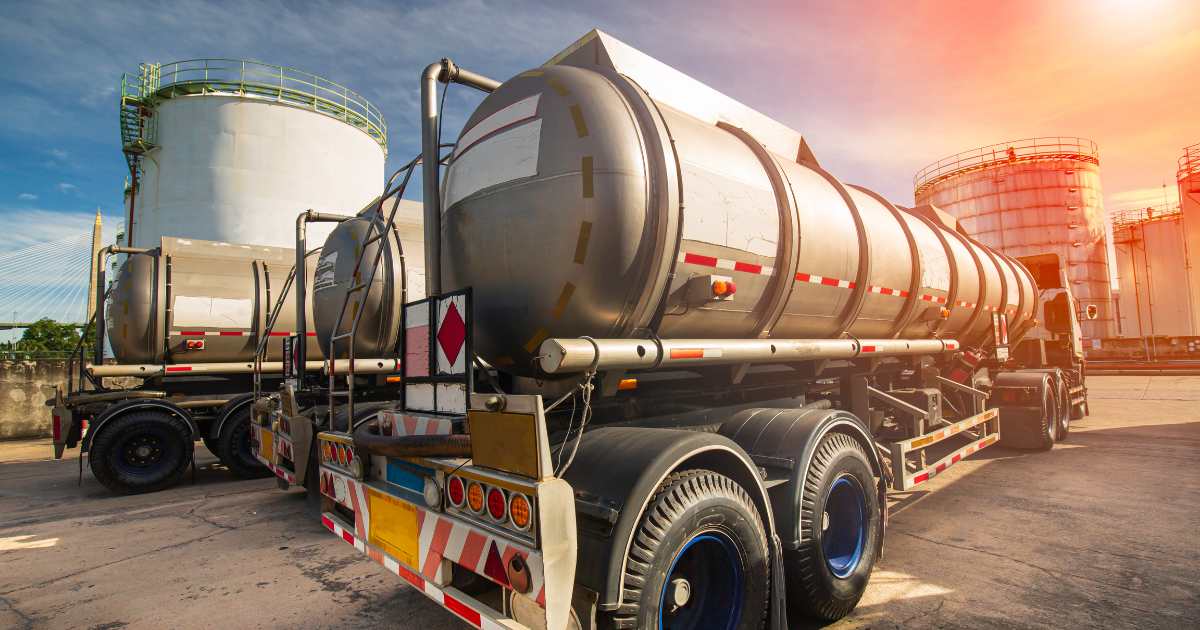
A fuel management system is a combination of hardware and software designed to monitor, control, and optimise fuel consumption within a fleet or industrial site. It automates the tracking of fuel usage, from storage tanks to individual vehicles, providing real-time data to prevent theft, reduce costs, and improve efficiency.
Fuel Management System Features
A comprehensive fleet fuelling management system is crucial for businesses operating fleets of vehicles. These systems provide valuable insights into things like fuel consumption, identify areas for optimisation, and ultimately help reduce costs.
Real-time Tracking and Monitoring
Modern fuel management systems monitor fuel levels in real-time. This allows the user to identify the precise amount of fuel used by the fleet during certain time periods.
Fuel Consumption Reports and Analytics
The ideal fuel management system is equipped with robust reporting features and sophisticated analytics options for evaluating fleet fuel usage. These reports can provide valuable insights, such as:
- Fuel efficiency trends
- Fuel spending by drivers
- Fuel costs per route
These analytics will help fleet owners get insights into fleet fuel efficiency and help them make more informed decisions.
Fuel Card Management and Automated Fuelling Systems
A good fleet management system integrates with one or more fuel card programmes and automates fuelling systems to simplify refuelling activities and minimise administrative struggles.
Integration with a fuel card programme allows for:
- Automated fuel purchase tracking
- Fuel purchase controls
- Real-time fuel purchase alerts
This level of automation enables owners to have a stronger hold on fleet fuel expenses and facilitates fuel cost forecasting.
Route Optimisation for Improved Fuel Efficiency
Fuel management platforms operating with GPS often ensure that fuel and human resources are well-spent on the underutilised routes. This functionality helps with:
- Reducing travel distance
- Avoiding traffic congestions
The opportunity for fuel optimisation through route optimisation is critical for lowering fleet fuel consumption and related costs.
Driver Behaviour Monitoring and Coaching
A strong fuel management system helps with monitoring driver behaviour, a crucial pillar in attaining higher fuel efficiency. It helps to:
- Identify fuel-wasting driving habits
- Implement driver coaching programmes
- Recognise fuel-efficient drivers
Integration with Fleet Maintenance Software
An ideal fuel management system needs to align with the fleet maintenance software to boost business. With this integration, SMEs can:
- Schedule preventive maintenance
- Identify potential fuel efficiency issues
- Track maintenance costs
Fuel Theft Detection and Prevention
Fuel theft is a serious problem for fleet managers, and the huge losses that come from it. Therefore, effective management of fuel is required to prevent such thefts. Fuel management systems provide:
- Fuel level detection
- Unauthorised fuelling alerts
- Geofencing
Integration with Telematics Systems
Telematics systems collect much data about your fleet’s performance and operations, including speed, driving routes, engine condition, and other diagnostic information. Integrating your fleet fuel management system with telematics offers several advantages:
- Fleet fuel consumption tracking
- Identifying engine performance issues
Scalability and Customisation Options
As the business grows and evolves, an effective fuel management system should adapt. Look for a solution that offers scalability and customisation options to ensure it can meet your specific requirements.
Additionally, look for systems that are compatible with existing telematics systems, accounting software, or other business applications. This facilitates flow and boosts overall efficiency.
Developing an Efficient Fuel Management Strategy
Here are some ways to help you develop an effective fuel management strategy.
1. Assess Your Fleet’s Fuel Needs
The first step in developing an effective fuel management strategy is to thoroughly assess your fleet’s fuel needs. This means having a clear understanding of the size of your fleet, the types of vehicles you operate and their fuel consumption patterns. This will provide you with a clear picture of your current fuel usage and help identify areas of improvement.
2. Implement Real-time Fuel Monitoring
By leveraging fuel monitoring systems, you can gain access to data on fuel consumption, usage patterns and potential issues. This information enables timely decision-making and adjustments to optimise fuel use and reduce waste. Implementing a real-time monitoring system ensures that you can track fuel consumption accurately and take proactive measures to address any inefficiencies.
3. Optimise Driver Behaviour
Encourage your drivers to adopt fuel-saving practices such as reducing idling, maintaining a steady speed and avoiding harsh acceleration or braking. Regular driver training sessions and feedback based on data collected from monitoring systems can help reinforce these practices, leading to better fuel economy and lower costs.
4. Maintain Vehicle Efficiency
Regular maintenance is crucial to ensuring your fleet runs efficiently. Make sure all vehicles are well-maintained, with routine checks on engine performance, tire pressure and air filters. Well-maintained vehicles perform better and consume fuel more efficiently.
You need to schedule regular maintenance to prevent issues that could lead to excessive fuel consumption, ensuring your fleet operates at peak performance.
5. Leverage Route Planning Tools
Utilise route optimisation tools to plan the most efficient routes for your fleet. This will reduce unnecessary mileage and help drivers avoid traffic congestion. Integrating these tools with real-time traffic updates ensures that your vehicles are taking the best possible routes, minimising idle time and fuel usage.
6. Evaluate and Adjust your Current Strategy
A successful fuel management strategy is not static; it requires ongoing evaluation and adjustment. Regularly review your fuel management practices, analyse performance data and make necessary adjustments to improve efficiency. By staying proactive and responsive, you can refine your strategy to adapt to changing conditions and maintain optimal fuel management.
7. Embrace Sustainable Fuel Solutions
As the industry shifts towards more sustainable fuel options, integrating green fuel solutions into your strategy can offer additional benefits. Transitioning to greener fuels such as BioCNG and LNG can further reduce your environmental impact and align with global sustainability benchmarks.
An effective fuel management system and strategy will ensure your fuel consumption is reduced and routes are optimised. There are various system options available in South Africa which can help with fleet fuel management. Ensure you understand what your business needs and choose software that aligns with your business.