



Qualcomm’s most powerful mobile chip yet may cost phone makers more than $300 a unit — the highest price the company has ever charged. Premium Android phones have been getting more expensive for years, and a fresh leak suggests 2026 will push that trend further than anyone expected. Here’s what’s driving the price hike and what it means if you’re shopping for a top-tier phone next year.
The leak that started it all
The leak comes from tipster Abhishek Yadav, shared on X. “As per reports, the Qualcomm Snapdragon 8 Elite Gen 6 Pro will cost more than $300,” he wrote, then listed the climb across past generations.
| Chip | Estimated cost per unit |
| Snapdragon 8 Gen 1 | $120–130 |
| Snapdragon 8 Gen 2 | $160 |
| Snapdragon 8 Gen 3 | $170–200 |
| Snapdragon 8 Elite | $220+ |
| Snapdragon 8 Elite Gen 5 | $240–280 |
| Snapdragon 8 Elite Gen 6 Pro | $300–320 (expected) |
The Snapdragon 8 Gen 1 ran about $130. The 8 Gen 3 sat near $200. The current 8 Elite Gen 5 lands somewhere between $240 and $280, depending on the source. Crossing $300 isn’t a small step — it’s roughly 2.3 times what flagship Android chips cost just four years ago.
Why is the price climbing so fast?
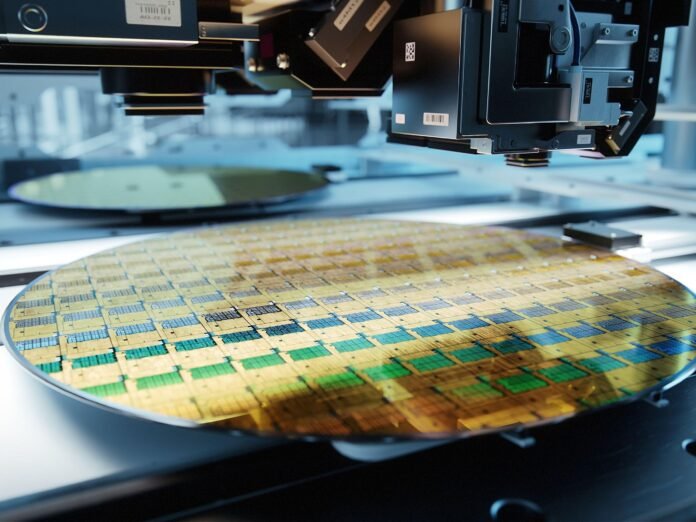
So why the jump? Almost all of it comes back to silicon. The new Pro chip is built on TSMC’s 2nm process, the newest and most advanced way to make chips today. A single 2nm wafer reportedly costs about $30,000, close to double the cost of 3nm production.

That cost doesn’t stay at the factory. It flows straight to Qualcomm, then to phone makers, and eventually to you at checkout. We’ve seen this same supply squeeze ripple across the industry — Apple is now exploring Intel and Samsung as backup chip suppliers because AI demand has made TSMC capacity scarce.
A two-chip strategy for the first time
Qualcomm is splitting its 2026 lineup in two for the first time.
The standard Snapdragon 8 Elite Gen 6 (model SM8950) will power most flagship phones.
The Pro version (SM8975) will be reserved for Ultra-tier devices only. Both use the 2nm process, but the Pro adds a faster Adreno 850 GPU (the graphics chip that handles gaming and visuals), more cache, and support for LPDDR6 RAM — a newer, faster type of memory.

The standard chip sticks with the older LPDDR5X. It’s the same playbook Apple uses with its A-series and A-series Pro chips.
The bill of materials problem
The chip alone isn’t the only thing squeezing phone budgets. DRAM prices have risen 70% and NAND flash prices 100% over the past year, based on Counterpoint Research.

Stack the new Snapdragon, LPDDR6 RAM, and UFS 5.0 storage together, and the bill of materials before you even add a display, camera, or battery can run past $600.
That’s why analysts think the pricing pressure could push some Android users toward Apple — if Ultra phones cross $1,500 retail, the iPhone gap narrows fast.
What this means for OEMs and you
The top five Android brands — Samsung, Xiaomi, OPPO, vivo, and Honor — are reportedly sticking with the Pro chip for their 2026 Ultras, including the Galaxy S27 Ultra and Xiaomi 18 Ultra. Smaller brands face a tougher call. Pay $300+ for one component, or switch to MediaTek’s Dimensity 9600, which uses the same 2nm node without Qualcomm’s premium markup.
We’d expect MediaTek adoption to climb noticeably this year. That’s also why we’re seeing some of the biggest names in tech — including Elon Musk’s $55 billion Terafab project — push to build their own chip factories rather than depend on TSMC pricing.
A leak, not a confirmation
One caveat worth flagging: a separate Weibo tipster, Smart Chip Insider, disputes the exact numbers and suggests the $280 figure for the current Gen 5 may already be overstated.
Leaks are leaks. Qualcomm hasn’t confirmed anything, and final OEM (original equipment manufacturer, meaning the phone brands) pricing depends on volume deals we won’t see. But the direction is clear.
We don’t expect flagship Android prices to fall in 2026 — and if you’re holding a phone with the Snapdragon 8 Elite Gen 5 right now, it’ll probably feel like a smarter buy in hindsight.
The post Qualcomm Snapdragon Chip Next Phase Could Push Phone Prices Even Higher appeared first on Memeburn.