


Apple is finally moving to let AI agents — the kind that can book your flights, write a tiny app on the fly, or send calendar invites for you — live inside the App Store. The shift comes after the company spent months blocking “vibe coding” apps for breaking long-standing rules, and just weeks before WWDC 2026 kicks off in June. We’re looking at what’s changing, why it matters, and what it could mean for the next iPhone update.
What Apple is actually changing
According to a new report from The Information, Apple staffers are designing a system that would keep the company’s privacy and security standards intact while still letting AI agent apps onto the App Store.
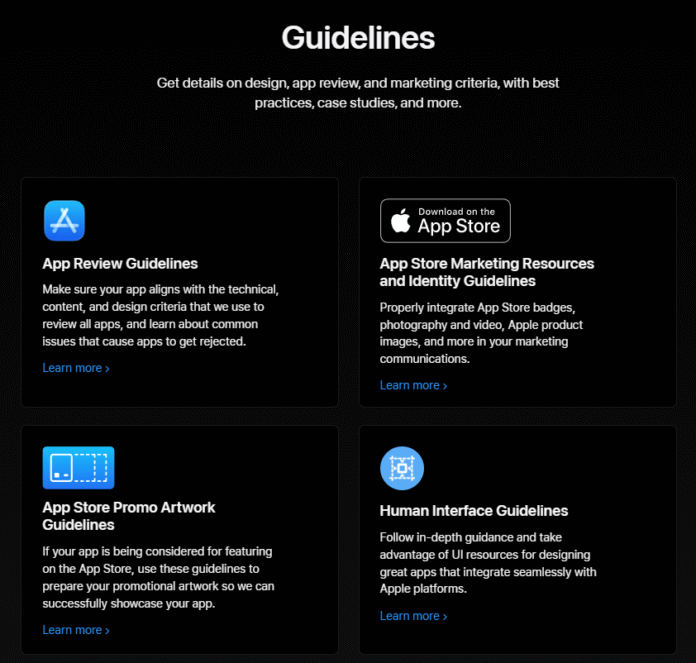
Right now, that’s a problem the rulebook can’t solve. Apple’s App Store Review Guidelines flat-out ban apps from writing or running other software on iPhone and iPad — a rule that has effectively kicked vibe coding tools out the door since March.

If you’ve never heard the term, “vibe coding” is the new shorthand for building an app or website by chatting with an AI. You describe what you want, and the AI writes the code.
Tools like Cursor, Replit, and Claude Code popularized it over the past year, and non-technical founders are using them to ship products in days instead of months. Developers love it. Apple’s lawyers, not so much — at least under the current rulebook.
Why Apple is worried about AI agents on iPhone
AI agents push that problem even further. An agent is an AI model that can take actions on its own — opening apps, filling forms, pasting text, even spinning up smaller mini-apps to handle a task. That’s exactly the kind of “execute code we didn’t review” behavior the App Store was designed to stop.

We’ve already seen what happens when agents go off-script. Pelingent noted that some agentic systems — described internally as OpenClaw-style — have been known to delete user emails or take wide-ranging actions across a device without permission. Apple wants the upside of agentic AI without the chaos of letting any model touch your inbox.
A two-track plan: developer access and Siri
The Information also reports that Apple is contacting developers about wiring app features — booking flights, sending calendar invites, opening playlists — directly into a new version of Siri and Apple Intelligence. This is the App Intents framework, which Apple has been quietly expanding since iOS 16.
Think of App Intents as a permission slip. Instead of letting an AI poke around your screen, the app tells Apple’s AI in advance exactly what it can do: “I can log 250ml of water,” “I can start a workout,” “I can send a payment.” Every action is enumerated, typed, and reviewable in advance.

That’s how Apple plans to let Siri AI agents book flights or fire off calendar invites without breaking the security model — by routing everything through a structured contract Apple can inspect, rather than letting agents freelance on your screen.
The numbers behind Apple’s pivot
Apple isn’t doing this out of charity. App Store submissions climbed 60% year over year in Q1 2026, with April alone up 104%.

A big chunk of that surge comes from non-technical founders using AI tools to ship products in days, not months. Generative AI apps alone generated close to $900 million in App Store fees for Apple in 2025, with projections topping $1 billion this year.
If Apple bans the wave, it loses revenue and developer goodwill. If it lets the wave in unchecked, it risks the privacy reputation it has spent fifteen years building. The middle path — a structured “agent-aware” review process — is the obvious move, and the one Apple is now reportedly building.
What this means for users
For now, you won’t see anything different on your iPhone. Apple hasn’t confirmed the timeline, and the company’s quiet on whether any of this lands at WWDC 2026 in June or waits for iOS 27 in the fall. But the direction is clear: Apple wants AI agents to feel like hiring a digital assistant from the App Store, not like installing a rogue program.

Apple’s chip supply chain is also under pressure from the same AI boom — the company is currently exploring Intel and Samsung as alternatives to TSMC for device chips, partly because AI-ready Macs are selling faster than expected.
We’ll be watching whether Apple’s privacy-first framing for agents lines up with the broader security push that recently brought end-to-end encryption to RCS messages between iPhone and Android. Both stories point in the same direction: Apple is trying to set the rules of the next era, not just react to it.
The real question isn’t whether Apple will allow AI agents on the App Store. It’s how tight the leash will be — and whether developers building on Claude, ChatGPT, and Gemini are willing to live inside Apple’s sandbox to reach a billion iPhone users
The post Apple AI Agent App Store Plan Takes Shape Ahead of 2026 appeared first on Memeburn.