



Rabat
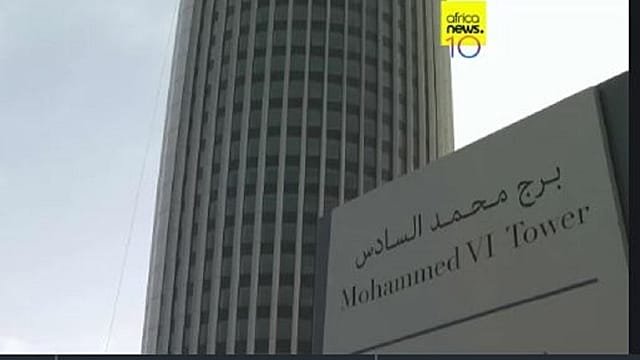
The Mohammed VI Tower, now the tallest building in Morocco, is reshaping the skyline of the Rabat-Salé region after its inauguration earlier in April 2026.
Rising 250 metres above the Bouregreg valley, the tower has quickly become one of the most prominent new landmarks in the Moroccan capital area. Located between Rabat and Salé, the structure reflects the kingdom’s broader push toward large-scale urban development, modern infrastructure and more energy-conscious construction.
The tower stands 55 floors high and includes four technical terraces and 38 lifts, underlining the scale and engineering complexity of the project. Its design also incorporates 3,900 square metres of photovoltaic panels, part of an effort to reduce the building’s energy footprint.
According to Leila Haddaoui, Deputy Chief Executive Officer of O Tower, the project owner responsible for carrying out the development, the building has an installed capacity of 11.6 MVA and delivers a 40 percent energy saving compared with a standard reference building.
Haddaoui also highlighted the project’s economic impact, saying the tower has created and supported 450 direct jobs and 3,500 indirect jobs. Those figures position the development not only as a flagship architectural project, but also as a source of employment and economic activity in the surrounding area.
The Mohammed VI Tower is also designed to attract visitors and business activity. Among its features is a panoramic observatory, offering wide views across the Bouregreg valley and the Rabat-Salé metropolitan area. The building is expected to strengthen the profile of the district as a destination for tourism, hospitality and investment.
Guy Bertaud, General Manager of the Hotel de la Tour Mohammed VI, said the tower’s solar panel coverage will provide a large share of the energy consumed by the site. He described this as an important first step in a broader sustainability strategy.
Bertaud added that further action is planned through social and local initiatives, particularly in the city of Salé, suggesting the development’s ambitions extend beyond architecture and hospitality to include a wider local role.
With its height, renewable energy features and mixed-use appeal, the Mohammed VI Tower stands as a high-profile example of Morocco’s efforts to combine prestige construction with environmental considerations and local economic development.
As Rabat and Salé continue to evolve, the tower is likely to remain a visible marker of the region’s changing identity, one that blends modern design, national ambition and growing attention to sustainability.
You may also like