

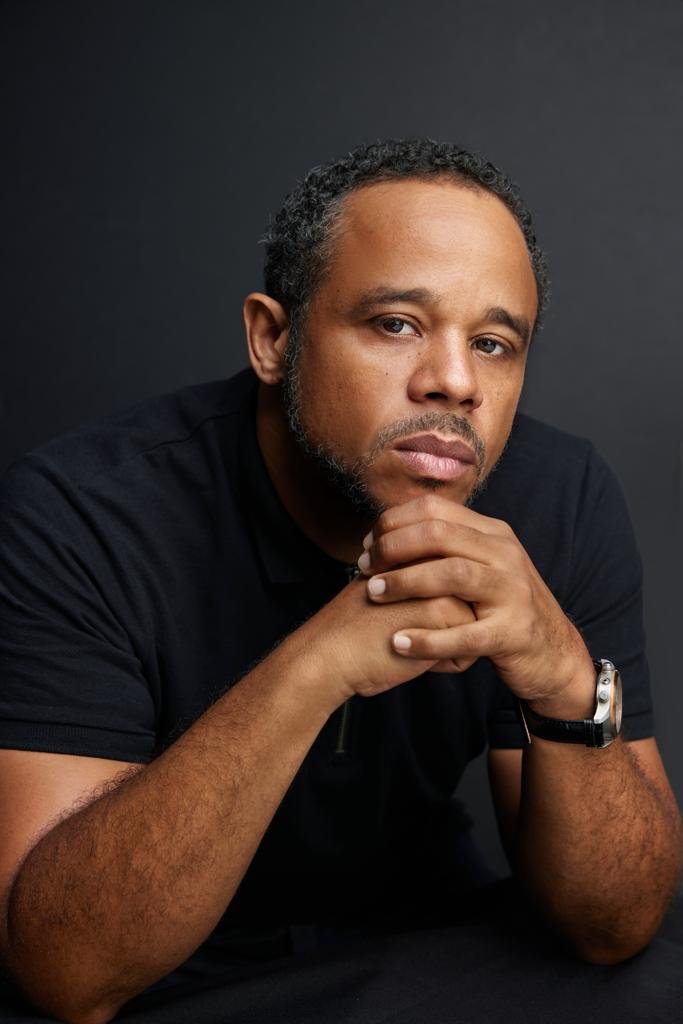
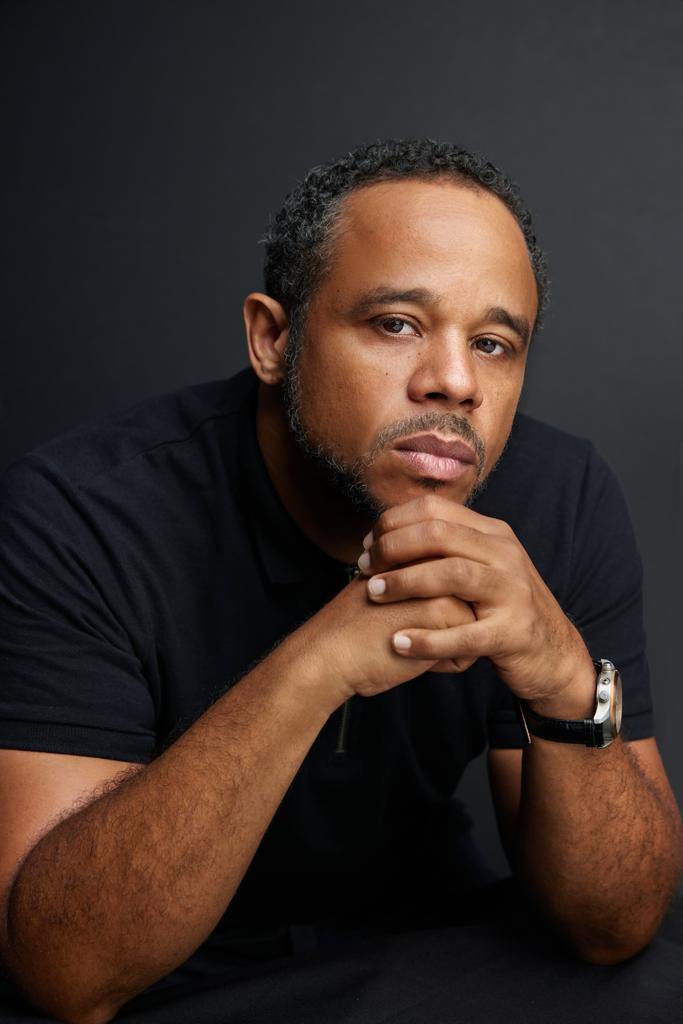
Mr. Onyemelukwe is a Nigerian-American and an African media and entertainment industry expert and is currently VP Global Business Development and Managing Director of Trace West Africa
There are lots of smart and talented people in our creative industry. I’ll bet you can name a few of your favorites off the top of your head, whether it’s musicians, or a content creator like Carter Efe. But too many of them are forced to try and do everything; learning on the job, while putting out music or content or their podcast.
They are the talent, but also the CEO guiding direction, the CFO making payments and reviewing accounts because they can’t trust anybody, and the COO keeping the gen fueled and the cameras running. And we have managed this up to this point. And we have tried, I mean, Nigeria has taken a dominant posture in Global culture.
Creativity drives visibility, but companies are built through structure, discipline, and execution.
Nigeria’s creative economy has entered a different phase. For years, growth has been measured in visibility streams, views, virality, global collaborations. The numbers look impressive and the cultural influence is undeniable, but visibility is not the same as value.
If we are to actually export culture, we need to capture the underlying economics. Very few companies in Nigeria’s creative ecosystem are built to scale, fewer are structured to attract serious investment, and almost none are built with exits in mind.
A lot of the “industry” operates informally. Agreements are still too often made casually between friends, contracts come afterwards and are simplistic as a rejection of speaking too much English, and reporting is inconsistent. Investors don’t buy vibes, investors buy into structure, ownership and predictable revenues, capital is diametrically opposed to businesses where those things are not clearly defined.
Furthermore, revenue across the ecosystem is heavily concentrated around brand sponsorship. Advertising delivers quick wins, but it is volatile. Campaigns start and stop, budgets expand and shrink, and when the campaign ends, the value often disappears with it. This model rewards activity, not asset creation.
Another structural gap is how content itself is treated. Content is seen as output rather than as an asset. A show is produced, aired, and forgotten. A format is created, used once, and abandoned. A digital series builds an audience, but no long-term monetisation strategy follows. Yet the same content, properly structured, could become a franchise, a licensing opportunity, a library, or a scalable brand.
What is missing is not creativity, but the structure that allows content to generate long-term value.
To understand where the industry is heading, it helps to think in terms of four things creative businesses can actually build.
The first is intellectual property. This is the content itself a song, a show, a format, a film, or a digital series. If you create a podcast, that is IP. If you create a skit series, that is IP. If you build a YouTube show, that is IP. The mistake many creators make is treating IP as disposable: create it, post it, and move on. But properly structured IP can generate value long after it is released. It can be licensed, adapted into other formats, syndicated, packaged, and sold (think Dora the Explora backpacks). Global media companies are built on libraries. In Nigeria, we build moments instead of assets.
The second is distribution. Distribution is how content reaches people not just Instagram or YouTube, but television, radio, streaming platforms, telco partnerships, apps, and owned platforms. Creators often focus only on making content, but distribution determines scale. If you control distribution, you decide what gets seen repeatedly, you build audience habits, and you create more ways to monetise content. Creators who rely only on social media algorithms are tenants, not landlords.
The third is audience. Audience is not just followers; it is a community you can reach directly. Subscribers, fan groups, registered users, and owned communities all fall into this category. If Instagram disappears tomorrow, can you still reach your audience? If the answer is no, then you do not own your audience. Audience ownership improves negotiation power, attracts brands, supports recurring revenue, and increases long-term value. Many creators have reach, but far fewer have owned audiences.
The fourth is experiential infrastructure. Events, festivals, venues, and creator hubs are no longer just marketing tools; they generate content, build communities, and create new ways to earn. When connected to content and distribution, they become part of the business itself. A live show becomes content, that content drives audience growth, the audience attracts sponsorship, and the sponsorship funds more content, creating a repeatable loop that strengthens the overall business.
The strongest creative businesses do not rely on one element; they combine IP, distribution, audience, and live experiences so that growth does not depend on a single revenue stream. This integrated approach changes the economics of creative businesses. Instead of one-off campaigns, they build ongoing engagement. Instead of chasing exposure, they build ownership. Instead of relying on one income source, they develop multiple ones.
When investors look at creative businesses, they usually focus on a few simple questions: can the business generate consistent revenue, can it grow beyond one platform, is ownership clear, and can the team actually execute? Many Nigerian creative businesses struggle because one of these elements is missing. Ownership may be unclear, data may be limited, monetisation may be unstructured, or execution may be inconsistent.
The opportunity, therefore, is not simply to create better content, but to build stronger businesses around content. Advertising will always play a role, but it should not be the only one. Subscriptions create recurring revenue, licensing creates long-term income, events create community and sponsorship, and distribution creates leverage. The strongest businesses combine these instead of relying on a single model.
Ultimately, in this environment, the ecosystem needs to be developed and a few, well-funded and organisations can fill this gap. At an individual level, companies need to lean on execution alongside creativity. Clear processes, financial discipline, strong partnerships, and consistent output are what turn cultural relevance into real businesses.
African culture is currently one of the world’s most underpriced assets. The creativity is already global. What’s missing now is the structure that allows value to travel with it. That is how the industry moves from cultural influence to sustainable,investable growth.
BellaNaija is a Media Partner for Trace West Africa
The post Will Nigerian Creatives Grow Up to Be Yahoo Boys or Investment Bankers? appeared first on BellaNaija – Showcasing Africa to the world. Read today!.