



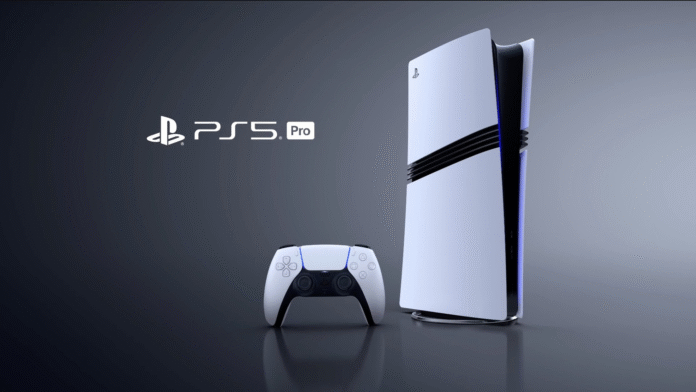
Sony is heading into a more difficult year for its gaming business as PlayStation 5 hardware demand slows and component costs become harder to manage. The company now expects annual gaming sales to fall 6% to 4.42T yen, or about $28B, as weaker PS5 hardware sales weigh on revenue.
The slowdown is already visible. Sony sold 1.5M PS5 consoles in Q4, down 46% from the same period last year. For a console that has been one of Sony’s biggest growth drivers in recent years, that is a sharp drop.
This does not mean the PlayStation business is collapsing. The PS5 is now entering a later stage of its life cycle, and hardware sales usually slow as consoles age. But the timing is challenging because the slowdown is happening while memory chip prices are rising, making the hardware business harder to manage.

Why Are PS5 Sales Under Pressure?
The first reason is the console cycle. The PlayStation 5 is no longer a new device. After several years on the market, many core gamers who wanted the console may already own one. That makes new hardware sales harder to grow.
The second issue is price. PS5 hardware has become more expensive, and that can make new buyers more cautious. The Verge noted that PS5 sales fell after price increases, with the console’s cost rising from $499.99 to $649.99 in the U.S. over the last year.
The third issue is the memory chip market. Console makers depend on predictable component pricing, but memory costs are becoming more volatile. That matters because game consoles are usually sold with tighter hardware margins than many other consumer tech products.
This is why Sony’s latest update is bigger than a normal earnings story. PS5 sales are not only being shaped by demand from gamers. They are also being affected by a wider supply chain problem that is now reaching gaming hardware.
Memory Chip Prices Are Becoming a Console Problem
Game consoles rely heavily on component pricing. Unlike premium smartphones or high-end PCs, consoles often depend on a different business model: sell hardware at controlled margins, then make more money later from games, subscriptions, digital purchases, and ecosystem spending.
That model becomes harder when memory prices rise. Reuters reported that memory costs doubled in Q1 2026 and could keep rising as AI data center demand limits supply for other tech sectors, including gaming and smartphones.
For Sony, this makes each PS5 unit more sensitive to component costs. If memory prices stay high, the company has fewer easy choices. It can raise console prices, absorb lower hardware margins, reduce production, or lean more heavily on higher-margin software revenue.
This also explains why Sony’s production strategy matters. If the company has to base PS5 production on memory availability and cost efficiency, hardware supply becomes less about demand alone and more about how much memory Sony can secure at the right price.
Sony Still Expects Gaming Profit To Rise
The surprising part is that Sony does not expect gaming profit to fall. Instead, the company expects gaming profit to rise 30%, helped by stronger first-party software sales and the absence of an impairment loss recorded a year earlier.
This shows the difference between hardware sales and the broader PlayStation business. Selling fewer consoles hurts revenue, but Sony can still protect profit if more users spend money on games, digital content, subscriptions, and services.
That is why major software releases matter so much. Reuters also noted that the expected launch of Take-Two’s Grand Theft Auto VI in November could boost Sony’s gaming ecosystem. A game like GTA VI can drive console engagement, PlayStation Store spending, and overall ecosystem activity, even if PS5 hardware sales are no longer growing at the same pace.

In other words, Sony may be moving deeper into a PlayStation strategy where the goal is not just to sell more consoles every quarter. The bigger goal is to extract more value from the installed user base.
Why This Matters For The Gaming Industry
Sony is not the only console maker facing this pressure. Nintendo is dealing with a similar issue as it moves deeper into the Switch 2 cycle. The company is also exposed to higher memory and component costs, which makes Sony’s problem look less like a one-company issue and more like an industry-wide pressure point.
That matters because Switch 2 is one of the most important hardware launches in gaming. Reuters reported that Nintendo expects an added cost of 100B yen, or about $638M, this fiscal year due to higher component expenses and tariffs. The same report said Nintendo raised Switch 2 pricing by $50 in the U.S. and 10,000 yen in Japan to protect profitability.

This gives the memory chip squeeze a broader meaning. If both Sony and Nintendo are dealing with higher component costs, consumers could see more expensive consoles, fewer aggressive discounts, or slower hardware adoption during key shopping seasons.
- For the wider tech industry, this is another sign that memory chips have become a bottleneck. AI data centers are not only affecting cloud infrastructure and GPUs. They are also indirectly affecting consumer hardware categories that depend on the same supply chain, including consoles, smartphones, and PCs.
- For gamers, the impact could be simple: consoles may become more expensive, hardware refresh cycles may become slower, and platform owners may push even harder toward digital software, subscriptions, and services.

What Sony Needs To Prove Next
Sony now has to prove that PlayStation can keep growing even if PS5 hardware sales slow. That means stronger first-party games, better ecosystem engagement, more digital spending, and a clear path toward the next gaming platform.
The company also needs to manage pricing carefully.
- If Sony raises hardware prices too aggressively, it could weaken demand further.
- If it absorbs higher memory costs, it risks hurting margins.
That balance may become one of the biggest challenges for the PlayStation business in the coming year.
The PS5 is still a major platform, but the easy growth phase may be over. Sony’s next challenge is proving that PlayStation can stay profitable in a market where hardware costs are rising, users are more price-sensitive, and gaming revenue is becoming increasingly dependent on software and services.
The post Sony PS5 Sales Fall 46% As Memory Chip Costs Hit Gaming Business appeared first on Memeburn.