


Ghana
Ghana has officially concluded its Extended Credit Facility (ECF) programme with the International Monetary Fund, marking the end of the country’s latest financial bailout arrangement after years of economic turbulence.
The government says the programme ended ahead of schedule following what it described as a strong economic turnaround driven by fiscal discipline, structural reforms and improved investor confidence.
The West African nation entered the IMF programme at a time of soaring inflation, mounting debt pressures and a weakening local currency, conditions that pushed millions of Ghanaians deeper into economic hardship.
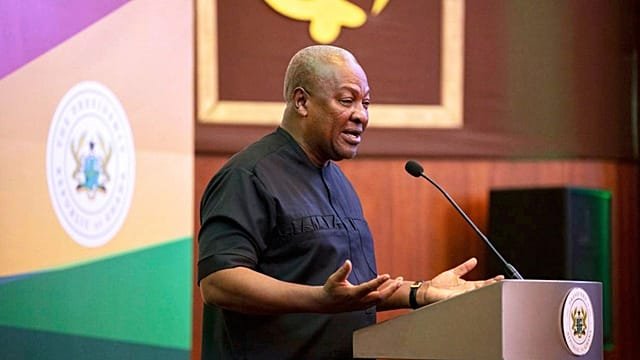
Officials say the programme, which had reportedly veered off course in late 2024, was stabilised after the administration of John Dramani Mahama took office in 2025.
According to the Ministry of Finance, the government introduced aggressive fiscal consolidation measures, reduced public spending and implemented reforms aimed at restoring macroeconomic stability.
Inflation slows as cedi strengthens
Government spokesperson Felix Kwakye Ofosu said the reforms had produced visible economic gains, including lower inflation, a stronger cedi and a decline in public debt relative to gross domestic product (GDP).
He added that Ghana’s sovereign credit ratings had improved significantly, moving from restricted default status to a “B” rating with a positive outlook after five consecutive upgrades.
“The improvement reflects stronger fiscal discipline, normalised relations with creditors, improved external buffers and renewed investor confidence,” Mr Kwakye Ofosu said in a government statement.
Authorities also pointed to growing foreign reserves as a key sign of recovery.
Gross international reserves reached approximately US$14.5 billion by February 2026, enough to cover nearly six months of imports, according to the government.
“This buffer provides Ghana with the capacity to withstand external shocks and stand on its own feet,” the statement said.
For many African economies facing debt distress and currency instability in recent years, Ghana’s recovery is likely to be closely watched by investors and policymakers across the continent.
New IMF engagement without fresh bailout funds
Despite ending the bailout programme, Ghana will continue to work with the IMF under a Policy Coordination Instrument (PCI), a non-financing arrangement designed to support reforms and provide technical guidance.
Unlike the ECF programme, the PCI does not come with direct financial support.
Instead, the government says it is expected to strengthen policy credibility, improve access to development financing and help attract long-term private investment.
Officials believe the arrangement could also support Ghana’s efforts to regain an investment-grade credit rating, potentially lowering borrowing costs and improving access to cheaper infrastructure financing.
The government thanked citizens, creditors and international partners for their support during the restructuring process, acknowledging the sacrifices many households and businesses endured during the economic crisis.
President Mahama’s administration says it remains committed to fiscal discipline, governance reforms and creating jobs as the country attempts to move beyond the bailout era.
“This engagement will support government’s effort to accelerate sustainable development, create jobs and raise living standards for all Ghanaians,” Mr Kwakye Ofosu said.
Related articles
From the same country