


Tanzania
In a finding that is at odds with the tally by opposition parties, a Tanzanian government-appointed commission of inquiry says at least 518 people died in last October’s election violence.
Key opposition figures were barred from running in the presidential and parliamentary polls, triggering days of protests that were brutally suppressed by security forces.
Opposition and religious groups say thousands were killed by security forces, while Western diplomats have given estimates of between 1,000 and 2,000.
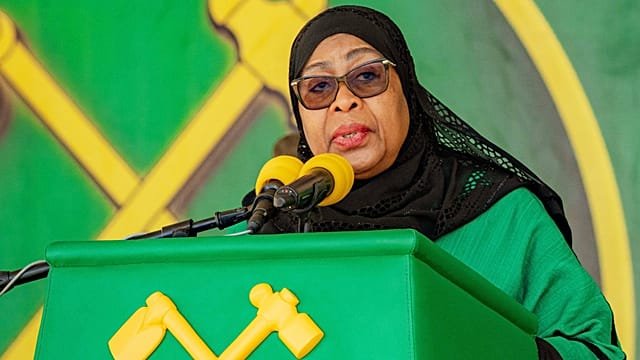
President Samia Suluhu Hassan, who was winner with 98 per cent of the vote, has sought to depict the protests as pre-planned and implied they were orchestrated by foreigners.
“The commission has told us that all the violence was planned, coordinated, financed, and executed by people with training and equipment for committing crimes and destruction,” she said after the report was presented.
She argued that Africa’s internal wars were usually instigated by outsiders who want “to continue to plunder the resources”.
The report was immediately dismissed by the opposition.
“It’s all a cover-up actually. Like many other statements that the president has made, the report is all designed to whitewash the regime’s crimes,” said John Kitoka, head of foreign affairs for the Chadema opposition party.
Ado Shaibu, a member of parliament for the ACT-Wazalendo opposition party said the report lacked transparency.
“Crucial information, which was supposed to be made public, has been excluded, so we continue with our stand of not recognising the Chande Commission and its report,” he said.
Shaibu added that the families of those who lost loved one during the anti-government protests had had “high hopes that justice would be done” by the commission.
The report was, however, the first official acknowledgement of the scale of the unrest.
Mohamed Chande Othman, head of the commission set up by Hassan, said the toll of 518 was “not final and conclusive”.
He rejected independent reports of mass graves and bodies being seized from hospital mortuaries, saying they “could not be substantiated”.
It is the first government statement on casualty figures — 2,390 were wounded, including 120 police officers — but Othman did not say who was responsible.
“The images that widely circulated online, some of them were authentic, while others … had been manipulated, using AI,” he said.
He also said some of those missing were “people who disappeared for romantic reasons and people who abducted themselves”.
Foreign journalists were barred from entering the country to cover the election, and an internet blackout during and after the vote complicated efforts to gauge the scale of the violence.
The crackdown triggered rare criticism from African observers, with the African Union saying the election did not comply with “standards for democratic elections”.
You may also like
From the same country