



Climate change scuppers efforts to end malaria in SADC
The recent heavy rains and associated flooding further exacerbated the situation in several countries, many of which were still recovering from the 2025 upsurges.
- April 23, 2026

By Jaishree Raman, National Institute for Communicable Diseases
The devastating effects of human-induced climate change are now a lived reality rather than a distant possibility. Together with the La Niña weather phenomenon, climate change has intensified extreme weather events across the region.
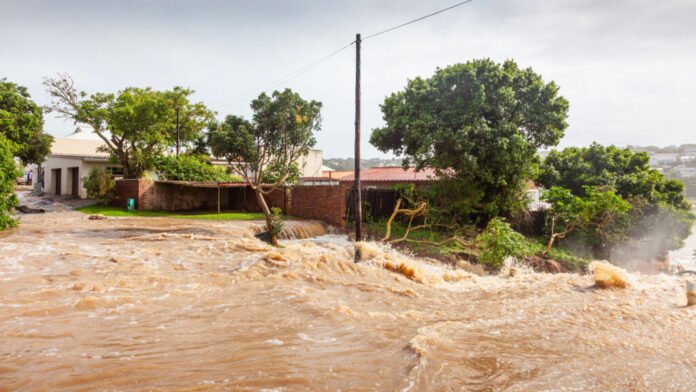
In early 2026, several southern African countries, including Eswatini, Mozambique, South Africa, Zambia, and Zimbabwe, experienced significantly higher rainfall than normal. Some areas reported a year’s worth of rainfall in a matter of days.
These extreme rainfall events ruined essential infrastructure, displaced local communities, many of whom were already vulnerable, threatened food security, and placed added pressure on overburdened, fragile health systems.
Gains have been slipping
Even before the recent heavy rains, the Southern African Development Community’s (SADC) malaria elimination aspirations were under immense threat. There had been reports of significant malaria upsurges in several SADC countries, aggravated by unforeseen, drastic cuts to international donor funding that supported routine malaria control activities in many of these countries. The recent heavy rains and associated flooding further exacerbated the situation in several countries, many of which were still recovering from the 2025 upsurges.
Over the first four weeks of 2026, Namibia reported 8 760 cases, an increase of 68% compared to the same period in 2025, while Zimbabwe reported 1 725 cases and four malaria-related deaths in the first week of January 2026. Mozambique, one of the countries most affected by the recent flooding, saw a 55% increase in case numbers over the first six weeks of 2026, reporting 49 deaths and over 1.35 million cases.
South Africa, with a reduction in annual case numbers in 2025, appeared to be on track to meet its elimination target. However, Mpumalanga province, one of the country’s three malaria-endemic provinces, experienced a fourfold increase in cases in January 2026, reporting 314 cases compared to 69 reported in January 2025, placing the country’s elimination agenda at risk.
Malaria elimination is slipping out of reach for SADC countries
Urgent steps are needed to get malaria control and elimination efforts across the SADC region back on track. Heavy rains and flooding are not new to the SADC region; just the frequency and intensity are.
Higher disease risk
Crucially, disruptions associated with these extreme flooding events also increased the risk of disease transmission. Waterborne illnesses such as cholera pose an immediate threat. But diseases like malaria, which are associated with stagnant water, emerge as threats weeks later.
Flooding often alters the environment to favour malaria transmission in malaria-endemic areas.
As flood waters subside, they leave behind microhabitats such as small pools of stagnant water, waterlogged fields, and blocked drains/sewers. All these serve as ideal breeding sites for malaria mosquitoes.
Flood-related damage to critical infrastructure, like roads and healthcare facilities, disrupts the timely delivery of essential services such as malaria testing and treatment and vector control interventions to the affected communities. Collectively, they contribute to increased malaria transmission.
Communities must be part of the solution
Local communities and governments must actively work together to build resilience to extreme weather events and malaria. Governments, local communities, and technical experts should work together to generate up-to-date maps of flood-risk areas. These evidence-informed flood-risk maps can then be used to guide the development of infrastructure such as housing, safely away from flood-risk areas, potentially reducing the exposure to malaria.
Local, often vulnerable, populations must play their part by not building homes near rivers that regularly burst their banks or in low-lying flood-prone areas.
Additionally, these communities must support and accept routine, effective vector control interventions such as indoor residual spraying and larviciding.
Working with local government structures, affected local communities should actively reduce potential breeding sites by draining stagnant pools, ensuring water storage containers are sealed, and unclogging and covering drains and sewers.
Need for urgent action
An increased availability of suitable breeding sites in areas where malaria mosquitoes are abundant is generally associated with significant increases in transmission intensity – a trend observed in several SADC countries following the recent extreme rainfall events.
Malaria is an unforgiving disease, rapidly progressing to severe disease if not promptly diagnosed and effectively treated with antimalarials. A high index of suspicion for malaria is therefore essential among all flood-affected communities residing in malaria-endemic areas.
This strong malaria awareness must be supported by ready access to malaria testing and treatment. Mitigation and system-strengthening strategies must be developed and actioned to allow healthcare facilities to offer essential basic malaria services in the wake of flood-related disruptions.
The southern Africa region will experience more regular extreme weather events, which will inevitably impact malaria. It is therefore critical that sustainably funded, integrated, effective, climate-sensitive malaria control strategies are implemented and supported by strong, resilient health systems.
Affected communities must be adequately capacitated and resourced to respond to extreme events and protect themselves from malaria. Together, these will support the SADC region in achieving its ambitious goal of malaria elimination.
___________________________________________________________________________
Dr Jaishree Raman is a Principal Medical Scientist and the head of the Laboratory for Antimalarial Resistance Monitoring and Malaria Operational South Africa’s National Institute for Communicable Diseases.
The views and opinions expressed in this opinion piece are those of the author, who is not employed by Health-e News. Health-e News is committed to presenting diverse perspectives to enrich public discourse on health-related issues.
Tags