



Hantavirus is not Covid-19. It is not easily spread; in fact, it’s unusual for the disease to spread from person to person. This is according to Professor Lucille Blumberg, an infectious disease expert and former Deputy Director at the National Institute for Communicable Diseases (NICD).
“This is not Covid. This [hanta] is a well-described organism. It’s been around for a long time. So there’s a fair amount of information on it,” says Blumberg.
Blumberg’s comments come amidst public concern following news that two cases of hantavirus were detected in South Africa. Both cases are tourists who were on a cruise from Southern Argentina to the Canary Islands via Cape Verde. One of the tourists collapsed at OR Tambo International Airport and later died in Kempton Park hospital. The second tourist is receiving treatment at a private hospital in Sandton.
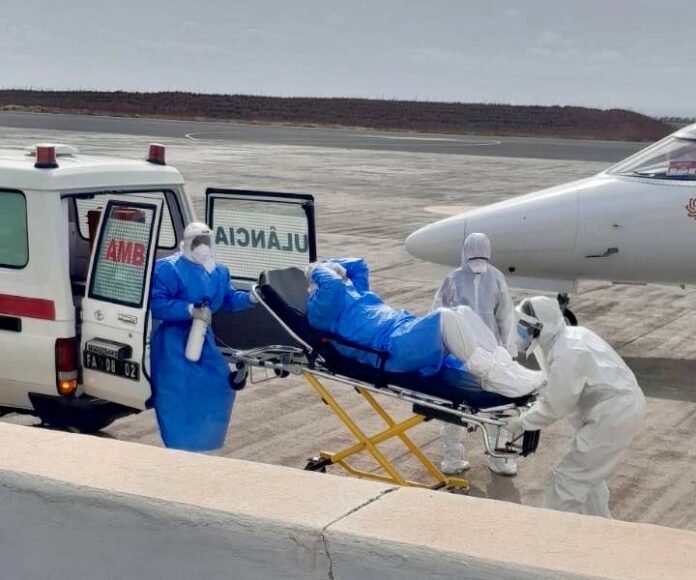
“He was airlifted through a medical chopper, facilitated by his health insurers, the authorities of the ship,” says national health department spokesperson, Foster Mohale. “This is called medical evacuation to the nearest country of their choice, with capacity and infrastructure.”
Mohale stressed that the man’s condition was critical.
People get infected with hantavirus when they are exposed to the urine and droppings of rodents. Cases are recorded every year in South America, Europe and parts of Asia.
“We’ve not described it in Africa. It’s not been identified in rodents in Africa. We have lots of rodents in South Africa, and they have lots of diseases, but hanta is not one of them,” Blumberg tells Health-e News.
“We have no locally acquired cases. We’re following up close contacts, and there have been no additional cases reported to date in the country,” says Blumberg.
Different strains
Hantavirus is a cluster of viruses with different strains occurring in different parts of the world. These strains also cause different illnesses among people.
“In Asia, it’s often associated with renal [kidney] problems. In South America, it’s associated with pulmonary issues,” Blumberg explains.
There’s no vaccine against this virus and the severity of the illness varies from mild to severe. There is supportive treatment to alleviate symptoms associated with the disease. There are no specific antiviral drugs. It’s estimated that 30 to 50% of people who get infected die.
Blumberg describes the outbreak as a “rare event” as the disease is not typically spread from person to person.
“There have been very few instances, with the South American strain spreading from person to person.”
According to the World Health Organisation, eight of the 147 passengers and crew on the ship were confirmed to have the South American strain or Andes hantavirus.
Blumberg suggests that the infections may have occurred onshore. When people are infected with the virus, it may take between five and 45 days for a person to show any signs of illness.
“It was probably acquired by at least one of the people onshore. Many of the tourists travelled in South America for birding,” she explains. “This was in rural environments, likely to have lots of rodents.”
Public health measures
Health authorities, including the national and provincial departments of health, along with the NICD, are conducting contact tracing.
The cruise ship is currently along the coast of Cape Verde. Authorities in the country have reportedly banned it from docking. Three suspected cases have been evacuated from the ship for treatment in the Netherlands. – Health-e News