



17:17
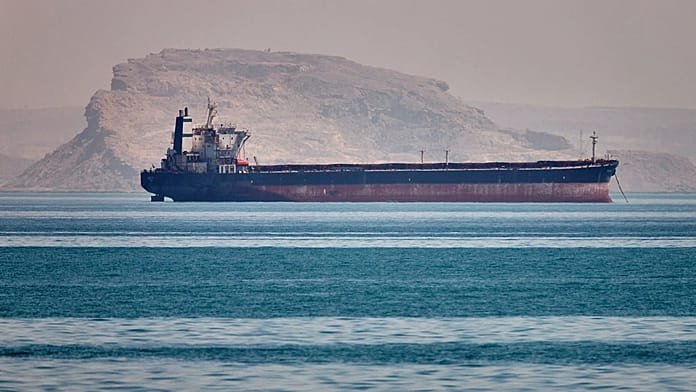
Tehran has launched a formal body to manage and charge ships for transit through the Strait of Hormuz in a highly-contested move as tankers pile up in the waterway and peace talks remain deadlocked.
Iran’s Supreme National Security Council announced on Monday the launch of an official X account for the Persian Gulf Strait Authority, the body Tehran says will manage ship transits through the Strait of Hormuz and collect passage fees — formalising a system that has reportedly already been in place since March.

ADVERTISEMENT
ADVERTISEMENT
Vessels wanting to transit the strait must apply via the PGSA’s official email address, submitting ownership details, insurance, crew manifests, cargo declarations and intended routing.
A transit permit is issued only after the authority approves the submission and a fee is paid. No official tariff has been published. Reports indicate some vessels have already paid up to $2 million (**€**1.7m) per transit, with payment made in Chinese yuan.
The authority functions as an administrative interface with the IRGC Navy, which physically controls transits through the waterway. The IRGC is designated a foreign terrorist organisation by the US and the EU, among others.
The announcement followed weeks of confusion and danger for the ships in the strait. After Tehran said in March it would charge for safe passage, fraudulent operators began offering unofficial transit paperwork in exchange for cryptocurrency payments.
The PGSA appears designed to replace that grey market with a single official channel.
Ebrahim Azizi, chairman of Iran’s parliamentary National Security and Foreign Policy Committee, said in a televised interview that Tehran had prepared a mechanism to manage Hormuz traffic through a designated maritime route and that further details would be announced shortly.
He wrote on X that only commercial vessels cooperating with Iran would benefit from the mechanism and that charges would apply.
New billboards in Tehran’s metro system claim Iran could generate up to $100 billion annually from Strait of Hormuz revenues.
The figure has circulated in Iranian media alongside proposals to monetise data cables running through the waterway.
Under UNCLOS — the UN Convention on the Law of the Sea — the Strait of Hormuz falls under the transit passage principle, which protects the uninterrupted flow of international shipping. Iran signed but never ratified the convention.
The US, Gulf states and European countries have all rejected the legality of Iran’s fee regime. Regional countries, their European allies and the US have repeatedly stated that free navigation through the strait must be maintained without additional charges or restrictions.
The waterway, around 35 kilometres wide at its narrowest point, carried roughly one-fifth of the world’s seaborne oil and liquefied natural gas before Iran effectively closed it to commercial shipping when the war began on 28 February. The US Navy imposed its own blockade of Iranian ports on 13 April.
US outlets reported that the number of oil tankers gathered around Kharg Island — Iran’s main crude export terminal — had reached its highest level since the US naval blockade began, suggesting mounting pressure to move stranded oil exports.
Iran’s Tasnim news agency reported on Monday that US oil sanctions could be suspended at least during negotiations, while reiterating Tehran’s demand for their full removal.
Pakistani media outlets separately claimed that Islamabad had conveyed a revised Iranian proposal to Washington, with Pakistan’s Prime Minister Shehbaz Sharif expressing optimism about the resumption of talks.
“When we presented the 14-point plan, the American side raised its considerations, and we in turn presented our own considerations as well,” Iranian Foreign Ministry spokesman Esmail Baghaei said of the US proposal.