


As the world becomes more aware of the environmental impact of traditional energy sources, there is a growing demand for alternative solutions. This demand has driven entrepreneurs and businesses to develop new types of energy sourcing. One of the most popular energy sources is solar energy.
According to reports, the solar energy market in South Africa is forecast to increase by $5,5 billion, at a CAGR of 38% by 2029. Also, solar PV accounted for over 40% of South Africa’s renewable energy capacity additions in 2020. This trend is driven by the country’s favourable solar resource potential and the expanding use of the Pay-As-You-Go (PAYG) business model, which makes solar energy more accessible to households and businesses.
Although there is positive growth, the market faces challenges such as regulatory hurdles and competition from other renewable energy sources. However, the South African government’s commitment to increasing renewable energy capacity and reducing carbon emissions is expected to continue driving the solar market’s growth.
The demand for solar power, not only for consumers but also for businesses, makes starting a solar business a lucrative channel.
In this article, we look at what solar power is, the different types of solar businesses, and how to start your own.
What is Solar Power?
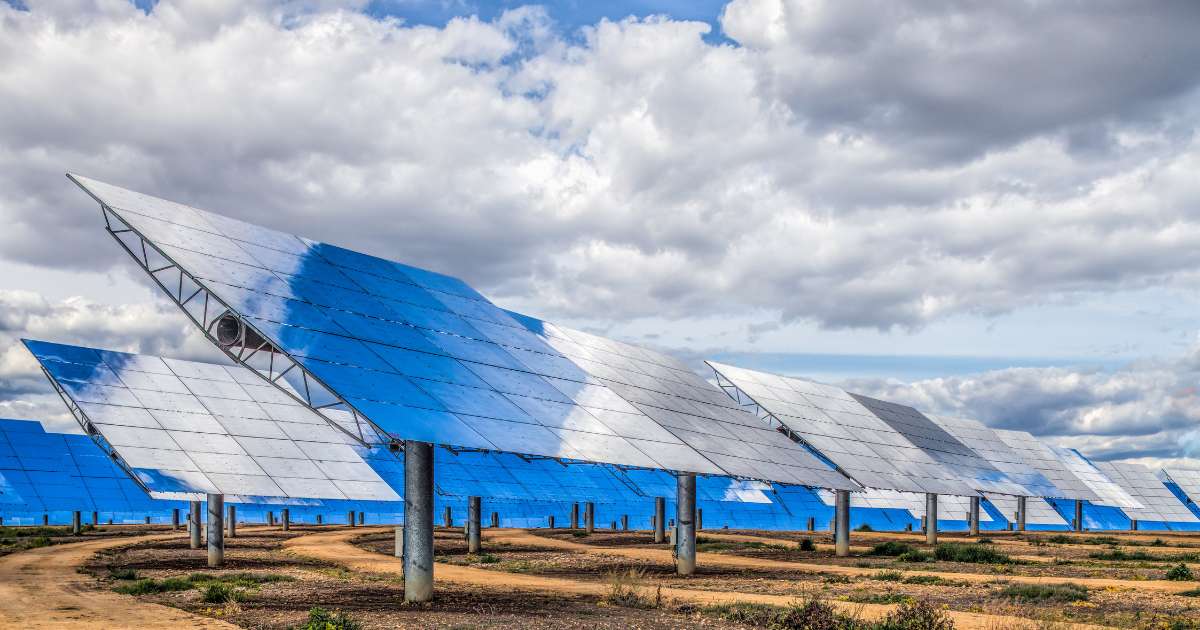
Solar power is the conversion of sunlight into electricity or heat, providing a clean, renewable energy source. It is generated using technologies like photovoltaic (PV) panels to create electricity or solar thermal systems to heat air and water. Solar power is a sustainable alternative to fossil fuels, as it produces no greenhouse gas emissions.
Types of Solar Businesses
In South Africa, there are five types of solar businesses that are most prevalent. They are:
- Solar panel installation: Solar panel installation is perhaps the most common solar business. Being a solar panel installer means you specialise in residential, commercial, or industrial solar installations.
- Solar product retailer: This means that your business offers a variety of solar-related products, from panels and batteries to solar-powered appliances.
- Solar consultancy: Being a solar consultant means you provide expert advice on solar solutions. This includes conducting energy audits, recommending appropriate solar systems, and guiding clients through the installation process.
- Solar maintenance and repair: As the demand for solar installation grows, there is a need for maintenance and repair services.
- Rent-to-own solar business: This unique business model allows customers to lease solar systems with an option to purchase. This approach makes solar energy more accessible, especially for those who may not afford the upfront costs.
What Do You Need to Start a Solar Business?
The following are some of the things you will need to have before starting a solar business.
Knowledge and Expertise
You need to understand solar technology, installation processes, and the local regulatory environment. If you don’t have the expertise, consider investing in relevant certificates and training programmes.
Legal Compliance
No license is needed. The South African government has streamlined the process for implementing solar PV systems in businesses nationwide, making it simpler to proceed with respective plans. However, technical and environmental regulations exist, and it’s beneficial to familiarise yourself with regulations related to solar energy.
Strategic Partnerships
Building partnerships with solar equipment suppliers, manufacturers, and other stakeholders in the renewable energy sector is essential. Having reliable suppliers is essential to building a successful solar business.
Skilled Workforce
You will need to put together a team of skilled professionals. This includes solar technicians, engineers, and salespeople. The success of your business will depend on the expertise of your team.
Costs of Starting a Solar Business
The startup costs for a solar business vary widely depending on the type and scale of your operations. Experts say you need to have at least R100 000 as startup capital. Other factors that can affect the cost are:
1. Training and Certification
Investing in training for yourself and your team is crucial. Certification from reputable institutions enhances your credibility in the market.
2. Business Registration and Licensing
You will need to ensure that your business is legally compliant. This means factoring in the costs of registration and licensing.
3. Equipment and Inventory
Most of your capital will be used to purchase solar panels, batteries, inverters and other essential equipment.
4. Marketing and Promotion
You will need to put capital investment into promoting your business. This can be done through online and traditional marketing channels. Marketing your business will help you attract customers.
5. Operational Costs
You will need to factor in operational costs in your investment. These can be ongoing costs such as rent, utilities and salaries.
Funding for a Solar Business
Besides investing your own money into your solar business, there are various financing options available, especially for small to medium-sized enterprises (SMEs).
Black Business Supplier Development Programme (BBSDP)
The Black Business Supplier Development Programme (BBSDP) is a cost-sharing grant offered to small black-owned enterprises to assist them in improving their competitiveness and sustainability. This helps them to become part of the mainstream economy and to create employment.
The programme provides grants to a maximum of R1 million:
- R800 000 for tools, machinery and equipment on a 50:50 cost-sharing basis
- R200 000 for business development and training interventions per eligible enterprise to improve their corporate governance, management, marketing, productivity and use of modern technology on an 80:20 cost-sharing basis.
Qualifying Criteria:
- Fifty-one per cent black majority shareholding;
- R250 000 to R35 million turnover per year;
- One year in operation and trading as a business;
- Fifty per cent of management positions are held by black people (historically disadvantaged individuals)
- Enterprises formally registered for VAT;
- Eligible to obtain funding to a maximum of R1 million:
o R800 000 for tools, machinery and equipment on a 50:50 cost-sharing basis; and
o R200 000 for business development and training interventions per eligible enterprise to improve their corporate governance, management, marketing, productivity and use of modern technology on an 80:20 cost-sharing basis; and
- Be operating and trading for at least one financial year at the sole discretion of DSBD, an enterprise that has been operational/registered for less than a year may be considered for this incentive, provided that the enterprise can supply sufficient evidence to service a tender/contract.
Critical Infrastructure Programme
The Critical Infrastructure Programme (CIP) aims to leverage investment by supporting infrastructure that is deemed to be critical, thus lowering the cost of doing business. The South African Government is implementing the CIP to stimulate investment growth in line with the National Industrial Policy Framework (NIPF) and Industrial Policy Action Plan (IPAP).
Requirements
- The applicant must be a registered legal entity in South Africa.
- The project must be at least a level four Broad-Based Black Economic Empowerment (B-BBEE) contributor in terms of the Codes of Good Practice for B-BBEE. This requirement considers the exemptions in terms of Qualifying Small Enterprises (QSEs) as set out in the Codes of Good Practice.
- For foreign direct investment (i.e. foreign investors incorporated in South Africa), where it can be proven that such a foreign investor does not enter into any partnership arrangements in foreign countries, the Codes of Good Practice make a provision for the recognition of contributions in lieu of a direct sale of equity.
- For all projects, a grace period of 15 months after the date of submission of the application is given for them to comply. In all cases, a B-BBEE certificate should be submitted at the claim stage.
The envisaged investment projects that may qualify for benefits under any investment incentive schemes offered by the dtic are also eligible to apply for the CIP, provided it is not for the same infrastructure activity items proposed by the project. - Projects that have applied for the Shared Economic Infrastructure Facility (SEIF) will not be funded or co-funded for the same infrastructure activity under CIP.
AFD Green Energy Fund
The AFD Green Energy Fund provides finance to renewable energy and energy efficiency projects of a smaller scale and the manufacturing of Green products in South Africa.
Qualifying criteria
- Renewable Energy (RE)
- Solar and biomass
- Other technologies are considered on a case-by-case basis.
- Energy Efficiency (EE)
o A maximum of 200% increase in production capacity is allowed for expansion projects
o Greenfield operations are considered on a case-by-case basis. - AFD funds are blended at a leverage level of at most 50% funding from IDC
- No refinancing
Traditional banks also offer financing options for solar businesses, such as Standard Bank’s Solar PV Asset solutions offering and Nedbank’s Energy.