


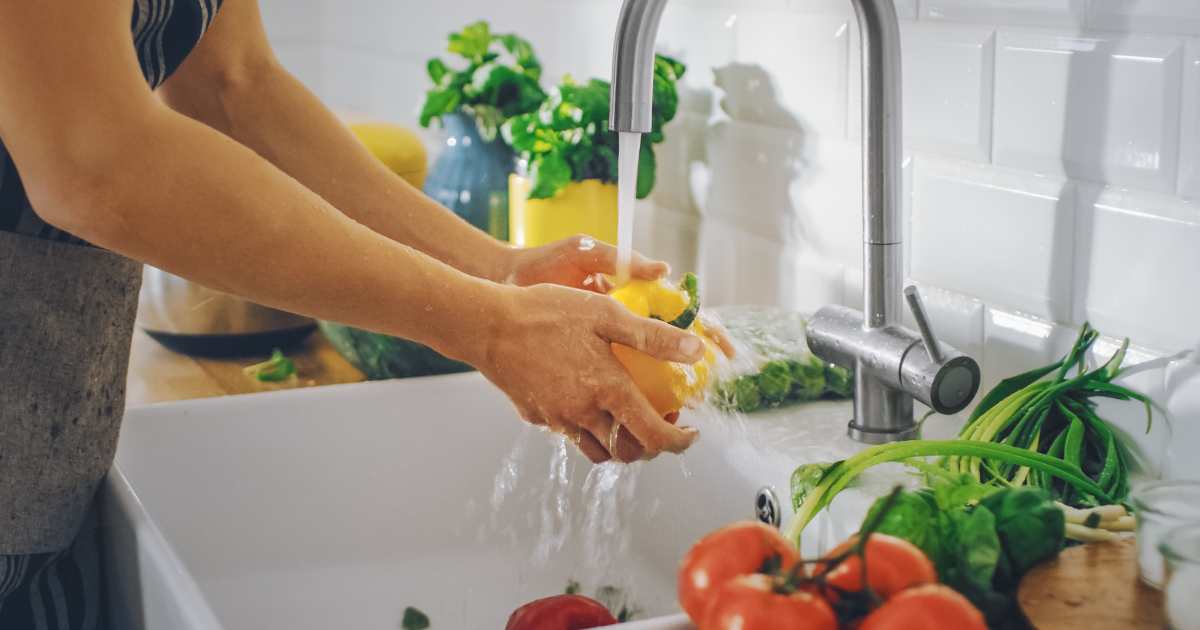
In many parts of South Africa, water is no longer something businesses can take for granted. Due to ongoing supply pressure in cities and smaller towns, water has quietly become a cost, a risk, and in some cases, a competitive advantage.
For small business owners, the conversation around water often starts when bills spike or supply becomes unreliable. But the businesses that manage this well are not reacting. They are planning, tracking, and building simple systems that protect their operations long before a crisis hits.
Water sustainability for small businesses is not about big environmental statements. It is about control. Control of costs, control of operations, and control of future risk.
Why Water Sustainability Matters
Most SMEs underestimate how much water they actually use. A small restaurant, salon, car wash, or manufacturing workshop can consume thousands of litres a week without clear visibility on where it goes.
The real issue is not just usage, it is waste. Leaks, inefficient processes, outdated equipment, and poor staff habits often account for a large portion of water loss. In many cases, businesses are paying for water they never intended to use.
There is also a second layer that is less obvious. Municipal tariffs are rising, and in some areas, usage tiers mean that the more you consume, the more expensive each litre becomes. That turns water efficiency into a direct profit lever.
Start With a Basic Water Audit
Before installing anything or changing systems, the first step is understanding your own numbers. To conduct a water audit, you do not need to hire expensive consultants or complex tools. Start your audit with three questions:
- Where is water being used in the business?
- How much is being used in each area?
- Where could waste be happening?
Walk through your business like a customer would not. Look behind the scenes. Kitchens, bathrooms, cleaning areas, and outdoor spaces.
For instance, a café owner might discover that their biggest water loss was not in the kitchen, but from a constantly running toilet cistern that went unnoticed for weeks. A single issue like that can add thousands of rands to your monthly bill.
Fix Leaks Quickly
Leak management is an effective way to ensure you are using water sustainably.
A dripping tap or leaking toilet can waste hundreds of litres a day, which not only wastes water but can cost your business money.
To manage water loss, set a simple non-negotiable rule in your business where any leak gets fixed within 24 to 48 hours.
Upgrade to Water-Efficient Equipment
Fortunately, businesses do not have to look too far to implement sustainable water usage practices. This starts with the type of equipment in your workspace. For instance, if you own your building, you can add water-saving or eco-taps that reduce flow rates and have built-in shut-off technologies. If you do not own the building that you work in, you can look for sustainable office parks in South Africa that focus on energy and water efficiency.
Practical water equipment upgrades for SMEs include:
- Low-flow taps and aerators.
- Dual-flush toilet systems.
- Water-efficient dishwashers.
- Trigger nozzles for hoses.
Train Staff
Water waste might not directly be due to your staff wasting it, but simply because they are following your systems. If water usage is not part of training, then you’re encouraging a culture of water wasting
Bring water into your daily operations conversation by explaining where water is used most and setting simple usage guidelines.
Invest in Rainwater Harvesting
Rainwater harvesting is not just a solution for large properties or farms; it can work for small businesses, too. Rainwater harvesting refers to the collection, storage, and filtration of rainwater for reuse. Rainwater harvesting allows businesses and individuals to rely less on municipal water supply and encourages water saving.
With rainwater harvesting, the water is collected from the roof and flows down through pipes and into storage. Throughout the process, the water is filtered to get rid of dust and dirt collected on the roof. There are different levels to rainwater harvesting. Namely:
- Entry-level: Irrigating outdoor spaces.
- Mid-range: Flushing toilets and washing laundry.
- Advanced: House-supply.
Fortunately, even a basic setup can be effective for water saving.
Turning Sustainability Into a Brand Advantage
Customers are paying more attention to how businesses operate. According to Business Dasher, over 50% of global customers say that sustainability affects their buying decisions.
While customer support should not be the main reason why you are implementing sustainability in your business, it is the cherry on top. Water-conscious practices can become part of your brand story, especially in sectors like hospitality and retail.
You can do the following to turn sustainability into a brand advantage:
- Communicating water-saving efforts.
- Using signage that encourages responsible use.
- Sharing your sustainability journey online.
This is not about marketing spin. It is about being transparent with your customers. Customers trust businesses that are mindful of resources, especially in a country where water scarcity is a shared reality.
Building a Water-Smart Business
Water sustainability should be part of your business culture, instead of being a once-off project. It is a way of running your business.
Here are a few tips to help you consistently build a culture of water sustainability:
- Conduct a water audit before acting.
- Fix problems as soon as you identify them.
- Train your team.
- Invest in small upgrades that reduce waste.
- Think about the long-term risk
In the tight economic environment in South Africa, sustainability matters. Water is one of the few areas where businesses can strategically reduce costs and prepare for unforeseen water shortages.