


Zimbabwe
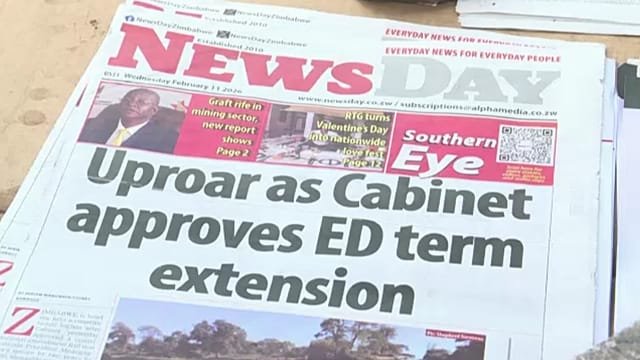
Zimbabweans are up in arms over cabinet’s approval of changes to the constitution as part of a bid to extend 83-year-old President Emmerson Mnangagwa’s term till 2030.
While the amendments will still be presented to parliament, it is weighted heavily in favour of his ruling Zanu-PF party.
Opposition figures described the move as a “constitutional coup” saying the changes must be put to a national referendum.
“The proposed amendments are illegal and unconstitutional in that they infringe the term limit provision of the constitution,” said lawyer Tendai Biti.
“More importantly they seek to do them outside two referendums. The first approving the removal of the term limit, the second referendum approving the incumbent to benefit from the amendments.”
In addition to extending the presidential term from five to seven years, the changes would see parliament choosing the president instead of the electorate.
“A president should not rule for a long time, and it is preferable to serve for a short term and give others a chance,” said citizen Augustine Kaswaurere.
Mnangagwa came to power in 2017 in a military-backed coup that ended Robert Mugabe’s 30-year rule.
Despite hopes he would bring about change, Mnangagwa has presided over a collapsing economy, undermined by alleged corruption and cronyism.
The ruling party’s “2030 agenda” has been on the cards for months, prompting opposition leaders to vow to “defend the constitution against its capture”.
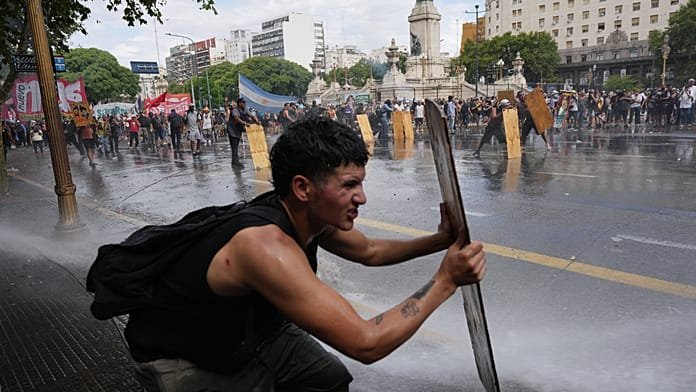
Attempts to demonstrate against the plan have been met with a police crackdown that put scores of people in jail.
A post-cabinet statement said the amendments would “enhance political stability and policy continuity to allow development programmes to be implemented to completion”.
Other provisions include allowing the president to appoint 10 more senators, boosting the Senate to 90 seats.
“Any amendment which has the ‘effect’ of extending an incumbent’s tenure should be subjected to a referendum,” opposition politician David Coltart said after the cabinet statement.
“They know that if that happens, they will fail, so they will do all in their power to prevent a referendum from happening,” said Coltart, who is mayor of the country’s second city Bulawayo.
Democracy advocate Professor Lovemore Madhuku said the cabinet’s move was “totally unacceptable”, and risked causing major upheaval in the former British colony.
“As far as we know, they do not even have a referendum on the agenda,” he said. “It’s an unthinkable way of trying to do politics and … it is going to cause political instability.”
“It’s clear that the attack on the democratic framework in the country requires nothing but a political response,” he said, predicting a “painful struggle” ahead.
Zimbabwe’s opposition, fragmented and weakened after years of repression, has failed so far to mount significant resistance to the “2030 agenda”.
You may also like
From the same country