


Elderly residents at Ekhanana Old Age Home in Durban’s Umlazi township are facing a growing health and safety crisis after the facility was left without electricity and continues to battle severe shortages of medication, medical support and transport.
The non-profit facility has reportedly been without electricity since 3 January 2026 after eThekwini Municipality disconnected the power supply due to an outstanding municipal debt of about R2.7 million.
Facility manager Jabulani Kunene says the disconnection happened despite his attempts to engage the municipality and negotiate a “realistic payment arrangement for a facility that relies on limited financial resources while caring for vulnerable elderly residents”.
As a result of the power outage, the home has allegedly been forced to rely on illegal electricity connections from neighbouring properties for minimal lighting. Kunene says the poor lighting conditions have already created safety risks.
“Elderly residents are falling at night while trying to access toilets and corridors. Their safety and dignity are being compromised,” he tells Health-e News.
Medication and healthcare shortages
Beyond the electricity crisis, the facility is also grappling with serious healthcare challenges. Residents reportedly receive only chronic medication from the nearest public hospital. The home reportedly does not have access to basic medication for common ailments such as headaches, flu, pain, or minor illnesses. When residents fall ill, staff members are allegedly forced to buy medication using their own funds. Staff say these shortages have persisted for more than seven months.
The situation is further worsened by a critical shortage of medical personnel. The old age home reportedly does not have a visiting doctor and does not receive regular visits from a professional nurse. Instead, one staff nurse is responsible for around 68 elderly residents, many of whom need ongoing medical care.
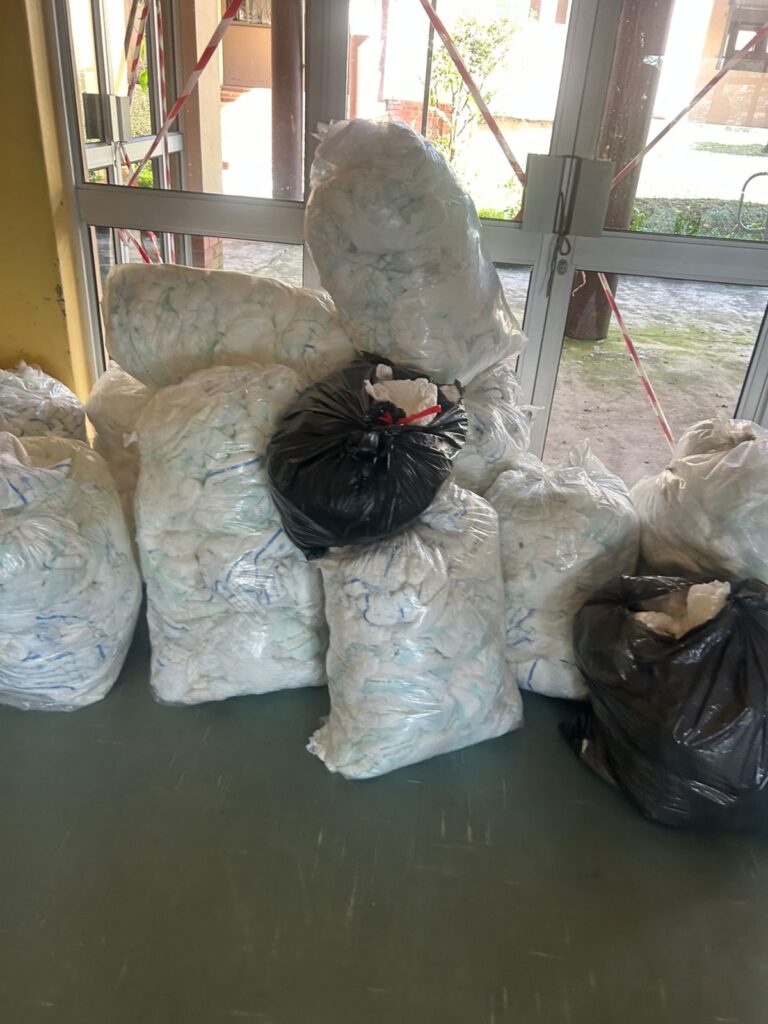
Residents who become seriously ill are transported to public hospitals about 30 kilometres away, where the care is apparently better than at the nearby Prince Mshiyeni hospital. Staff say when residents return from the hospital with bedsores or other complications, the facility struggles to manage their care due to limited staff, lack of medical oversight and inadequate resources.
Transport challenges worsen crisis
Transport remains another major concern. The facility does not have its own vehicle to transport residents to hospitals or clinics. Kunene says that repeated requests to the Department of Health for transport assistance have fallen on deaf ears.
In emergencies and for scheduled medical visits, staff are reportedly forced to rely on Uber services or private transport.
The KwaZulu-Natal Department of Health said old-age homes are the responsibility of the Department of Social Development.
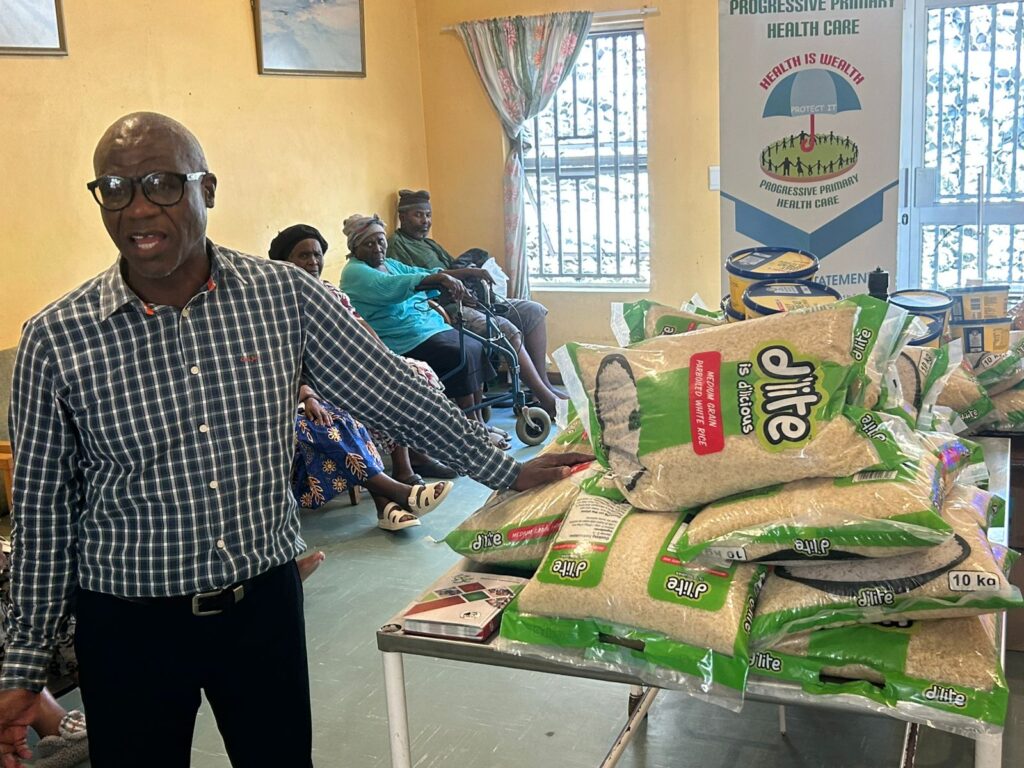
“The challenges facing the facility appear to stem from internal management issues. We wish to clarify that old-age homes fall under the responsibility of the Department of Social Development. The Department of Health only provides funding and monitoring of mental health NGO facilities,” says the department’s Nathi Olifant.
“The KwaZulu-Natal Department of Health does not run or manage these facilities. Key functions such as the issuing of NPO licences rest with the Department of Social Development.”
The Department of Social Development didn’t respond to our media queries.
Municipality defends electricity disconnection
In response to media inquiries, eThekwini Municipality defended the decision to disconnect the electricity supply, citing its credit control policies.
In a press statement issued on 3 February 2026, the municipality’s Marketing and Communications Director, Mandla Nsele, said the city does not discuss individual customer account details with third parties.
“However, we wish to emphasise that all customers, including government departments, are expected to settle their accounts,” says Nsele.
He added that where arrears exist, service disconnections are implemented in line with the municipality’s Credit Control and Debt Collection Policy.
“These measures are standard practice and are applied consistently to ensure financial sustainability and the continued provision of municipal services,” he says. – Health-e News