


South Africa
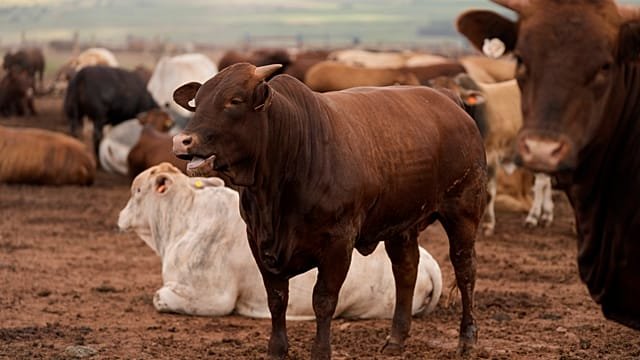
South Africa embarked on a mass vaccination of cattle on Friday to stem an outbreak of foot-and-mouth disease that threatens meat, dairy and livestock supplies and exports.
The outbreak, which started intensifying late last year and has rapidly spread across the country’s livestock industry, has already affected more than 297,000 cattle and resulted in over 120,000 animals being culled as farmers try to contain the spread.
The outbreak threatens mass shortages of meat, job losses and millions of dollars in lost revenue as countries including China and Zambia ban South African meat exports.
Agriculture Minister John Steenhuisen on Friday launched the country’s rollout of vaccines, with a million vaccines delivered from Turkey in recent days.
More vaccines are expected to arrive this weekend, but there are concerns that the supply is significantly less than the required doses to vaccinate almost 12 million cattle.
“We aim to vaccinate 80% of the national herd by December and reduce the outbreaks by 70%. This new strategy will put South Africa onto the path of becoming an FMD (Foot-Mouth Disease) free with vaccination country,” said Steenhuisen on Saturday.
National disaster declared
The coastal province of KwaZulu-Natal has been identified as the hot spot for the outbreak, with over 17,000 farms affected.
It has been officially declared as a national disaster, a legal framework that will allow the government to allocate emergency funds that will mostly be used to procure vaccines.
The national treasury has allocated about $25 million to fight the outbreak, which will mostly be used to buy vaccines.
Farmers and meat producers are already struggling, having had to quarantine affected animals and stop all trade and exports while dealing with a short supply of vaccines in the country.
Dr. Dirk Verwoerd, a veterinarian at South Africa’s largest meat producer, Karan Beef, said the damage caused by the outbreak is affecting all parts of the meat and dairy industry.
“The average daily gain is severely impacted. The conversion rates or the economy of what you do in a feedlot is severely impacted,” he told The Associated Press.
Karan Beef’s feedlot in Heidelberg is the biggest in the country, covering 2,300 hectares (5,680 acres) which can accommodate more than 140,000 cattle.
“The most serious is the damage in the feet, and it’s right inside the feet and this is where we unfortunately had to shoot hundreds of cattle for welfare reasons.”
Related articles
From the same country