


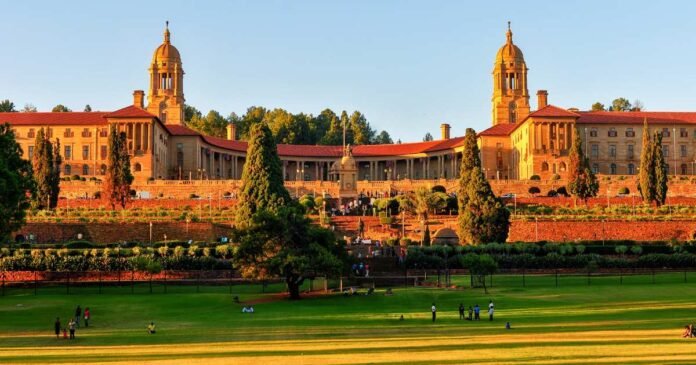
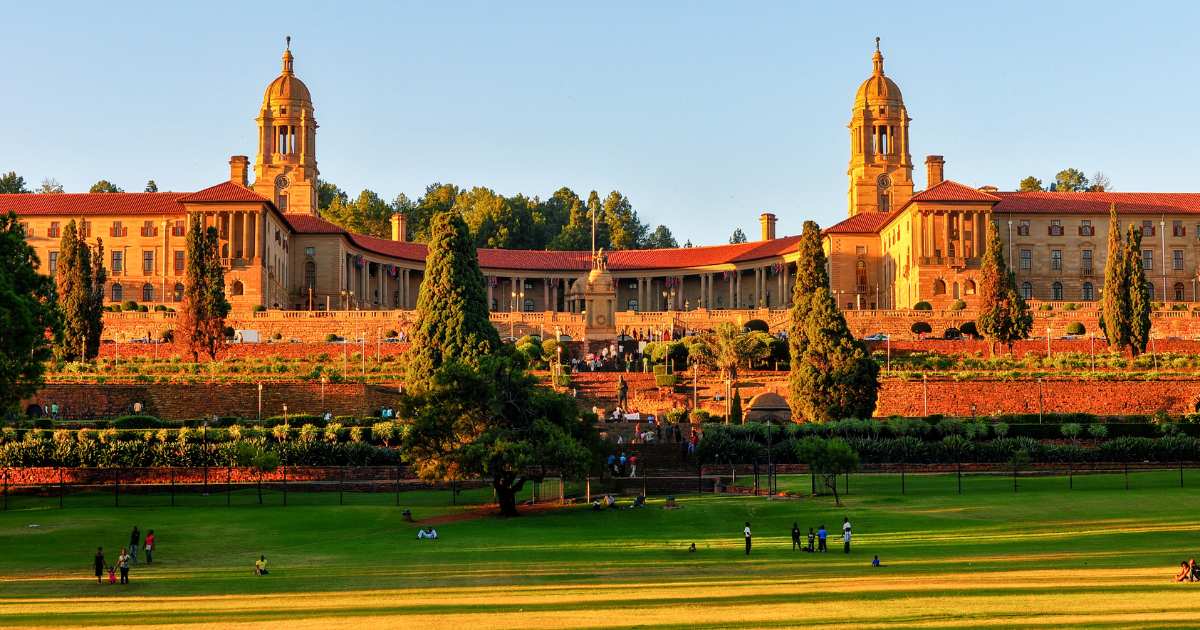
The 2026 State of the Nation Address (SONA) was presented last week by President Cyril Ramaphosa. The SONA is meant to outline the government’s plans for development and growth during the current Government of National Unity (GNU) administration.
What is the Purpose of the SONA?
The annual address is given by the President to a joint session of Parliament and marks the official opening of the legislature. SONA provides the President with an opportunity to speak to the nation on the general state of South Africa, reflect on a wide range of political, economic and social matters within the domestic and global contexts, and account to the nation on the work of government while setting out the government’s programme of action for the year. This is a special and unique occasion where all three arms of the state are in the same place together.
How is the Speech Drafted?
Although the speech is only delivered by the president, SONA is the product of an extended, negotiated and highly political process involving policy advisers, researchers, coalition partners, labour, business, civil society, speechwriters and senior officials across government.
The process begins with political direction from the Presidency and the Medium-Term Development Plan (MTDP) 2024–2029, which guides the work of the seventh administration. The plan prioritises socio-economic challenges such as:
- Inclusive growth
- Job creation
- Reducing poverty and the cost of living,
- Building a capable, ethical developmental state is intended to
- Align planning, budgeting, implementation and oversight across all spheres of government.
In this article, we highlight some of the development plans announced at SONA and which ones will affect small to medium-sized enterprises (SMEs).
Outlined Timelines in SONA 2026
These are some of the actions announced at the 2026 address.
1. Governance and Justice Reform
- SANDF Tactical Plan: The Minister of Police and the SANDF have been directed to develop a tactical deployment plan for the Western Cape and Gauteng to combat violence and illegal mining within the next few days.
- Public Procurement Act Regulations: New regulations aimed at ending the ‘cancer’ of procurement-related corruption are to be finalised by mid-2026.
- Electricity Restructuring Task Team: A dedicated team under the National Energy Crisis Committee must report to the President on the phased implementation of Eskom’s restructuring within 3 months.
- Lifestyle Audits: Already reached 93% compliance for senior public servants last year; the goal is to close the gap immediately through mandatory re-vetting.
2. Water and Service Delivery
- Municipal Funding Ring-Fencing: Municipalities will be legally required to restrict revenue from electricity and water sales starting from the 2026/27 financial year (commencing July 2026).
- National Water Resource Infrastructure Agency (NWRIA): Currently in the final stages of establishing a National Water Resource Infrastructure Agency to effectively manage the country’s water infrastructure and to mobilise funding for water infrastructure.
- White Paper on Local Government: A revised version providing solutions for dysfunctional municipalities is to be finalised in the coming months.
3. Economic and Sector-Specific Milestones
- Foot-and-Mouth Disease Vaccination: The plan to vaccinate 14 million cattle (28 million doses) is scheduled to take place over the next 12 months.
- New Energy Vehicles (NEVs): A 150% tax deduction for investment in new energy vehicles and battery production will be introduced starting March 2026.
- South Africa Investment Conference: The 6th instalment of this conference, aimed at raising R2 trillion in new commitments, is set for March 31, 2026.
- Renewable Energy Target: By 2030, the President aims for more than 40% of South Africa’s energy supply to come from clean, renewable sources.
- Digital Transformation: Home Affairs will launch the Digital ID this year, with various services (Master’s Office, SASSA eligibility) migrating to the MyMzansi platform throughout 2026.
4. Social and Health Commitments
- Child Stunting: A mission to “end child stunting” has a long-term target of 2030, with specific budget allocations coming in the Medium-Term Budget Policy Statement (MTBPS) later this year.
- Employment Equity: The target for persons with disabilities in the public service is set at 7% by 2030.
SME Related Announcements and Developments
The President emphasised that SMEs are the primary engine for employment and economic development. He noted that if every SME employed just one additional person, 3 million jobs would be created. To support this, he announced:
SME Funding and Guarantees
- Direct Funding: A commitment of more than R2.5 billion in funding to support over 180,000 small and medium enterprises this year.
- Credit Guarantees: The extension of an additional R1 billion in guarantees to help these businesses secure financing
- Focus Groups: A specific mandate to exert a greater focus on women- and youth-led businesses.
- Regulatory Relief: Amendments to the National Credit Act regulations to make accessing credit easier and cheaper.
- Licensing Bill: A commitment to ensure the final Business Licensing Bill reduces bureaucratic hurdles rather than adding to existing ones.
The Blended Finance Scheme
The President highlighted the Blended Finance Scheme as a key mechanism in the fast expansion of the agricultural sector, especially for growing producers.
- Financial Impact: The scheme has already provided R7.8 billion in “innovative funding” to black producers.
- Partnerships: The scheme operates through a collaborative model involving the Land Bank and commercial banks.
- Support Structure: To ensure the success of the farmers receiving this funding, the President announced the deployment of 10,000 new extension officers to support farmers and improve productivity
- Strategic Goal: The scheme is intended to move more people from the “margins” of the economy into the mainstream agricultural value chain, which is currently the world’s second-largest exporter of citrus fruit.
“As the economy grows, it should bring into its fold those who have lived on its margins for decades. Our fight against crime should be felt in the townships and informal settlements as well as the suburbs. Our schools and hospitals should make no distinction between those arriving at their doors. In this way, we can build a stronger, more resilient, and more equal society – one that stands tall among the nations of the world. We have indeed turned a corner. Now we must look ahead and move with speed,” concluded President Ramaphosa.