


Senegal
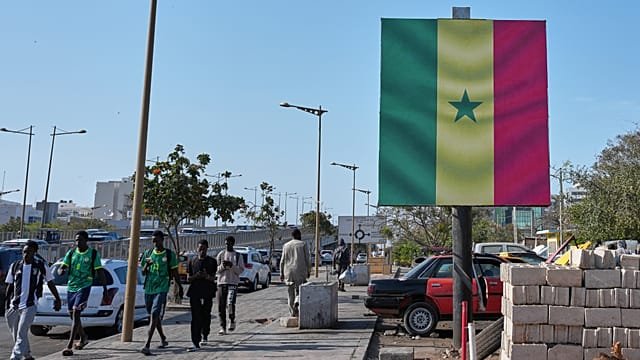
Debt-laden Senegal has denied a report in the Financial Times that it covertly borrowed 650 million euros ($754 million) to avoid a default, saying it acted in line with “market transparency rules”.
The government, which took power in April 2024, accuses former president Macky Sall’s administration of having concealed a huge level of debt. But the Financial Times reported Monday that the new government had secretly “tapped 650 million euros from development lender Africa Finance Corporation and First Abu Dhabi Bank last year in borrowings that gave them privileges over existing bondholders”.
In a statement late Tuesday, Senegal’s finance ministry said that the transactions “form part of the strategy to diversify sources and instruments for raising funds” as the west African nation works to raise cash to repay its colossal debt and cover the state’s operating costs.
According to the FT, Senegal took out the loans with “newly issued domestic sovereign bonds using derivatives known as total return swaps”. Return swaps are financial instruments that allow the creditor to be repaid first in the event the borrower defaults.
The Senegalese government said the transactions, which carry a 7.1-percent interest rate, are “much more advantageous” than those on the international markets and were not concealed “in accordance with market transparency rules”. The deal with AFC, based in Nigeria, was concluded in May last year and allowed Senegal to raise up to 350 million euros, the FT said.
In June, Senegal signed a new three-year swap with First Abu Dhabi Bank, allowing it to borrow 300 million euros, it added. Both loans end in 2028. Earlier this month, Senegal was able to pay off an international debt of $471 million, despite fears of default by economic observers.
The country faces a budget deficit of nearly 14 percent of GDP and public sector debt estimated at 132 percent of national output at the end of 2024. The current government accuses the administration of ex-president Sall, who ruled from 2012 until his loss in 2024 elections, of having concealed the true extent of the budgetary situation.
An International Monetary Fund team that visited Senegal a year ago confirmed that officials had made false statements regarding budget deficits and public debt for the 2019–2023 period. The IMF has suspended a $1.8-billion aid programme it had agreed in 2023, pending further information and commitments from Senegal’s new authorities.
You may also like
From the same country