


Portugal green lights restrictions for social media access for children under 16
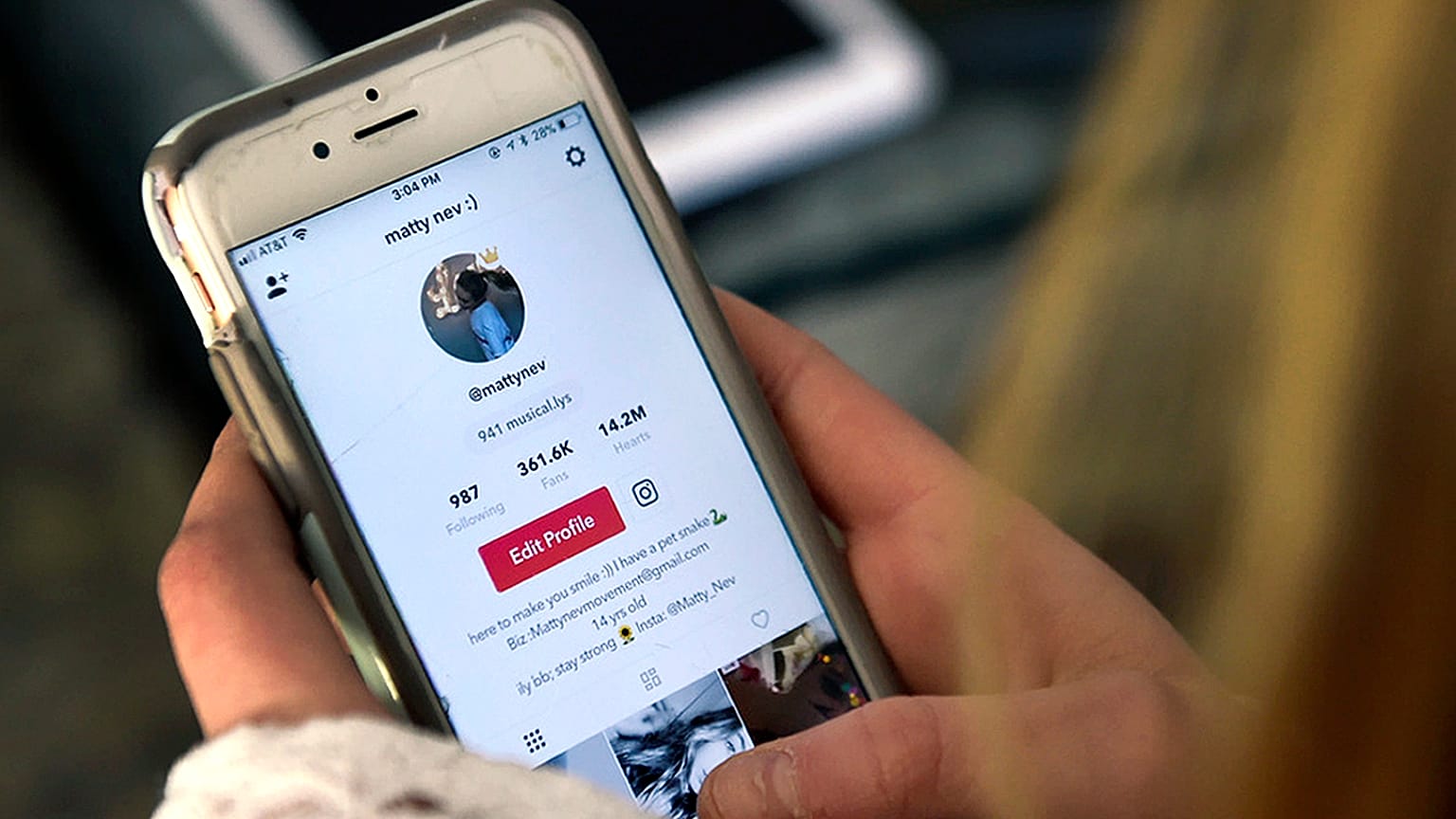
Portugal is the latest country to take steps to restrict access to social networks to under-16s
–
Copyright
Jessica Hill/AP2018
13/02/2026 – 9:01 GMT+1
Portugal is the latest European country to approve social media bans for children.
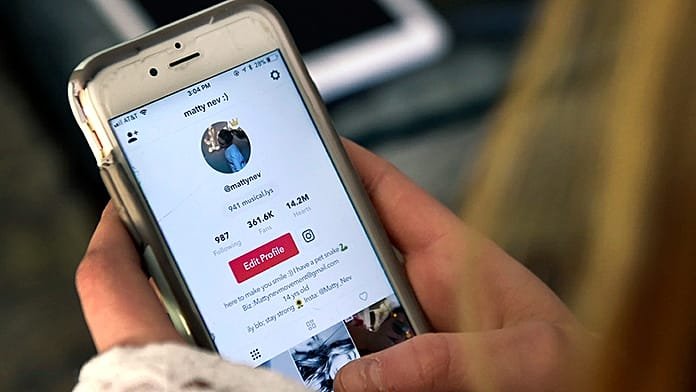
Portugal’s parliament approved a bill to limit social media platforms for under-16s, becoming the latest country to do so.

ADVERTISEMENT
ADVERTISEMENT
The bill restricts free access to social networks and other platforms for children under the age of 16, requiring the consent of their parents or legal guardians.
In terms of access to social networks and other platforms, the current law sets a limit of 13 years for the consent of minors.
“The minimum digital age for autonomous access to social networking platforms, video-sharing services and open communication services is set at 16; children aged 13 or over can only access them with (…) express and verified parental consent,” reads the proposal.
Children under the age of 13 “may not access platforms, services, games and applications covered by this law.”
Access limitations will cover social networks such as Instagram, Facebook, or TikTok, but not, for example, WhatsApp, which is used by many parents to communicate with their children.
According to the socialist party, companies and platforms have to guarantee that networks that can be used by minors between the ages of 13 and 16 “have certain functionalities to prevent exposure to violence, early sexual content, addictive games, manipulated videos, manipulated images”.
According to the bill, creating a new account for children up to the age of 13 is not possible, and between 13 and 16, “requires a mechanism associated with the Digital Mobile Key or another mechanism that allows the minor to be identified and only their age to be seen.”
As for how to ensure effective compliance with the approved measures, the Social Democrat MPs believe that the National Communications Authority (Anacom) and the National Data Protection Commission (CNPD) should be responsible for overseeing this.
During the session in Parliament, opposition parties raised concerns about the application of the law, the protection of privacy, the collection of personal data, but also about the possibility of young people using VPNs to overcome access restrictions.
However, some were against the bill, with MP Madalena Cordeira labelling it as “a project that tries to take away freedoms” and took the opportunity to attack the left: “The socialist benches have long shown an appreciation for single-minded dictatorships.”
What are EU countries doing to regulate young people’s access to social networks?
Growing concern about the impact of social media on young people’s mental health and development is leading several countries to debate how they can tighten the rules on access to these platforms.
Australia pioneered a law restricting the use of social networks to under-16s, imposing an obligation on platforms to create effective age verification mechanisms.
In Europe, similar legislative proposals are also multiplying, albeit at different stages of implementation. Last month, France approved a bill to limit access to social networks for young people under the age of 15.
In November last year, the Danish government also announced a political agreement to ban access to social networks for children under 15, a measure that could become law by mid-2026.
In May last year, the Italian parliament also presented a bill that would provide for restrictions on social networks for under-15s, which is now being analysed by the Italian Senate.
Spain also wants to go ahead with a ban on social networks for under-16s, but the measure is still being debated in the Spanish Congress. Other countries, such as Slovenia, Greece, and Germany, are preparing legislation to implement restrictions on access to social networks for minors.