

Since its release in 2025, Akinola Davies Jr‘s My Father Shadow has been on an impeccable run. It made history as the first Nigerian film to be selected for the Cannes Film Festival Official Selection, and also won the Special Mention for the Caméra d’Or at the festival. The film has afterwards received numerous awards and nominations, including a recent BAFTA Award for Outstanding Debut, a British Independent Film Award and two Gotham Independent Film Awards for Outstanding Lead Performance and Breakthrough Director. It was also selected as the UK’s entry for Best International Feature Film at the 98th Oscars, but it was not nominated.
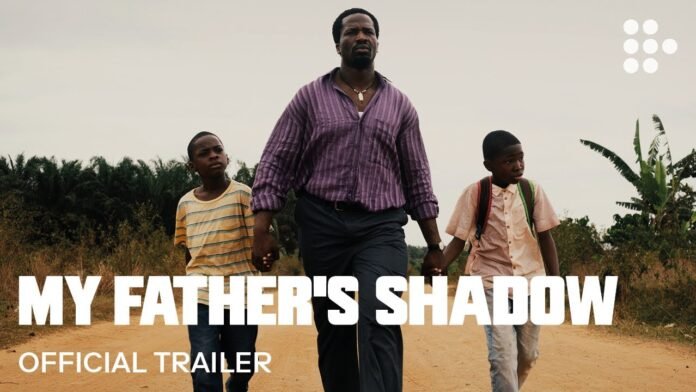
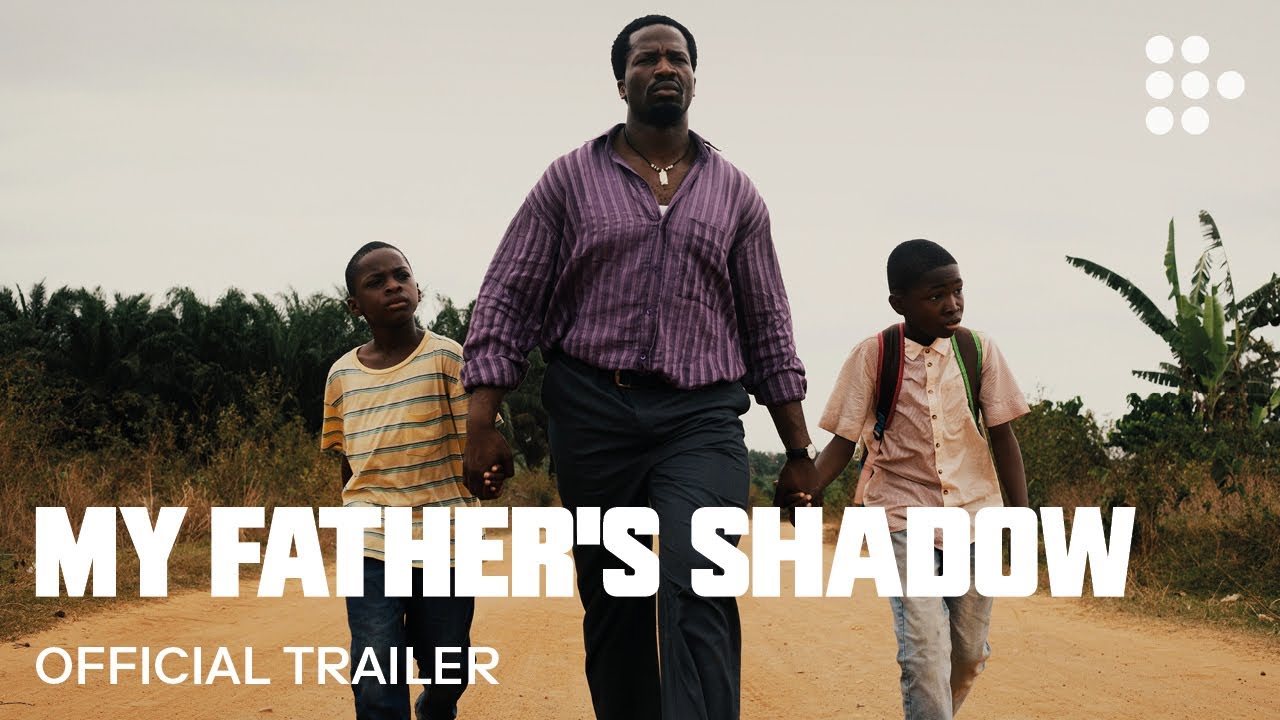
My Father’s Shadow follows a father and his two young sons over the course of a single day in Lagos during the tense aftermath of Nigeria’s 1993 presidential election. As the brothers travel across the city with their emotionally distant father, the film reveals the fragility of their relationship and the weight of political uncertainty surrounding them. Through intimate moments and restrained dialogue, the story explores themes of masculinity, absence, memory and ways national upheaval shapes personal lives. The film is a portrait of a family against the backdrop of a defining moment in Nigeria’s history.
The film tells a historical Nigerian story and was shot in Lagos, Nigeria. But is it a Nigerian or Nollywood film?
In an interview with Alice Eady, Akinola says he wants Nigerians to see the film more than anyone because it is made for them. While the film was shot in Lagos, Nigeria, the entire production of the film was funded abroad, which made the film unavailable to Nigerians at its first release. But that significantly allowed the film to be in places where a Nigerian or Nollywood film would never have been. International productions determine the success of a Nigerian film because Nollywood, at home, does not have a structure for a global springboard. Unlike Afrobeats, where songs written, recorded, and produced in Nigeria can be considered for international placements. Of course, Afrobeats also needs international collaboration for distribution; the difference is that the music is available to Nigerians, and the process and direction of the music is in the hands of Nigerians.
My Father’s Shadow was written by Wale Davies and directed by Akinola Davies Jr, but it was produced by Element Pictures and financed by the BBC Film and British Film Institute, and this allowed it to be the first Nigerian story to be nominated, selected or have won certain awards. If the film had been produced entirely in Nigeria, would it have been considered for those placements? When it was selected for the Oscars consideration, it was selected as the UK‘s entry and not Nigeria‘s entry. If it had been nominated or won the Oscars, would it be considered a Nigerian film or a UK film?
This is not the first time a Nigerian story has been produced abroad. But rarely have they travelled at the level of My Father’s Shadow. The film is not a foreign interpretation of Nigeria. It is Nigeria, told by Nigerians, with the emotional precision of people who understand what it means to live inside the story. Yet its global success did not emerge from Nollywood’s existing structures.
Nollywood is one of the most prolific film industries in the world, producing thousands of films each year and employing millions across its value chain. It has mastered production against the odds. It has built a domestic audience without institutional backing. It has created stars. But global distribution is not built on volume alone. It needs structure, a proper one.
What My Father’s Shadow demonstrates is not that Nollywood lacks stories worthy of global recognition. It demonstrates that global recognition often requires global infrastructure. Being funded by BBC Film and the British Film Institute gave it access not just to money (because money is not the absolute), but to networks. Networks that open doors to Cannes. Networks that position films for BAFTA consideration. Networks that allow films to be seen. Nigerian stories can resonate anywhere. What has been lacking is access. Access to financing structures that allow creative freedom without compromise. Access to distribution systems that position films for global audiences. Access to institutions that recognise stories and position them in the highest possible places.
The post Is My Father’s Shadow a Nollywood or Nigerian Film? appeared first on BellaNaija – Showcasing Africa to the world. Read today!.