


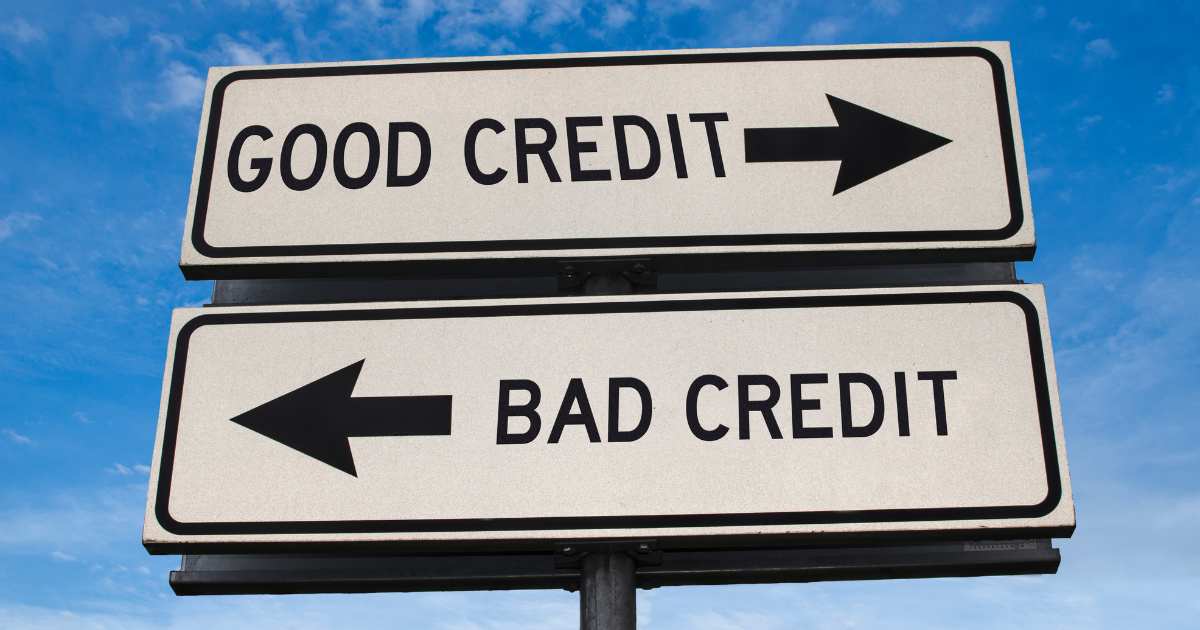
Starting or growing a business often requires capital. For many businesses, that means approaching a bank or financial institution for funding. Yet, entrepreneurs are often held back by their credit record. Perhaps they missed a payment a few years ago, have an unpaid retail account, or have been under financial pressure during the pandemic. So what are they supposed to do? Can you still get a small business loan with bad credit in South Africa?
The short answer is yes. But the process looks different from the traditional route most people expect. Banks tend to rely heavily on credit scores and formal financial records. Many small business owners do not have those. Informal traders, township entrepreneurs, and early-stage startups often operate with limited credit history. That reality has created a growing market of alternative business funding in South Africa, where lenders focus more on business performance than on personal credit records.
Understanding how this system works can make the difference between a rejected application and securing funding that helps your business move forward.
Why Traditional Banks Often Reject Business Loans with Bad Credit
When entrepreneurs search for a bad credit business loan in South Africa, they often start with commercial banks. Unfortunately, banks have strict risk models.
From a lender’s point of view, credit history shows how someone manages debt. If there are missed payments, defaults, or judgments, the risk rating increases. That usually leads to rejection.
There are a few practical reasons for this. Which are:
1. Banks rely heavily on credit scoring models: These models use past financial behaviour to predict future repayment risk. Even a small judgment can reduce the chance of approval.
2. Banks prefer established businesses: Most banks want at least two years of trading history, audited financials, and stable revenue.
3. Collateral plays a big role: Traditional lenders often require assets like property or equipment as security.
This system works well for mature companies but leaves many small businesses locked out of funding. It also explains why many founders begin exploring alternative funding options for SMEs in South Africa.
The Rise of Alternative Business Funding in South Africa
Over the past decade, the rise of alternative lenders has grown rapidly. These lenders operate differently from traditional banks. These lenders may still consider your credit score, but they tend to be more flexible in their requirements. However, instead of focusing mainly on credit scores, they look at signals such as:
- Monthly revenue.
- Bank transaction history.
- Payment behaviour with suppliers.
- Sales performance.
In other words, they assess how the business itself is performing. This shift has opened the door for entrepreneurs with imperfect credit histories but profitable operations.
Business Loans for Bad Credit
Getting funding for a startup is already difficult. Doing it with bad credit makes it even harder. However, there are ways to secure funding. Bad credit does not always mean the end of the road. Some lenders look beyond a credit score and focus on how the business earns, spends, and manages cash. That opens the door to a few practical funding options. The options are as follows:
Merchant Cash Advance
A merchant cash advance is a short-term loan often used by retail, hospitality, and service businesses that process regular card payments. Instead of lending based only on your credit profile, the provider looks at your monthly sales. Businesses can often access funding worth up to 100% of their average monthly card turnover. Repayments are then taken in small daily or weekly amounts, which can be more manageable than a fixed monthly instalment.
Equipment Financing
Equipment financing helps businesses buy machinery, vehicles, tools, or technology without draining daily cash flow. The equipment itself often serves as security, which is why this option can still work for borrowers with weaker credit. For many businesses, this is one of the more realistic ways to fund growth. Equipment financing lenders usually want to see that the equipment is business-related, that your business can afford the repayments, and that the asset has enough value to support the deal.
Secured Loans
Secured loans are one of the more realistic funding options for business owners with bad credit because the borrower offers an asset as collateral. That asset could be property, a vehicle, equipment, or another item with clear value. If the business fails to repay, the lender has the right to recover its money through that asset. Because the lender carries less risk, secured loans are often easier to approve than unsecured loans, and in some cases, the business may qualify for a larger amount or better terms.
Practical Ways to Improve Your Chances of Getting Approved
Even when applying for a small business loan with bad credit, there are ways to improve your chances. Here’s how you can improve your chances:
- Show Strong Cash Flow: Many lenders focus more on bank statements than credit scores. If your business has steady revenue, highlight that clearly.
- Separate Business and Personal Finances: Use a dedicated business bank account. Lenders want to see clear financial activity.
- Prepare Basic Financial Records: Even simple financial documents can help. This includes sales records, supplier invoices, and cash flow projections, and reducing existing debt where possible.
- Borrow Smaller Amounts First: Build your fundability by borrowing a small loan first. After successful repayment, they qualify for larger funding later.
What Entrepreneurs Should Consider Before Taking a Bad Credit Business Loan
While funding can unlock growth, it also comes with risk. Before accepting a loan, assess the following aspects:
- Will the loan directly increase revenue?
- Can the business handle repayments during slow months?
- Is the funding cost reasonable compared to the expected profit?
- Is the interest on the loan reasonable?
Funding Is Still Possible Even with Bad Credit
Bad credit does not automatically close the door on business funding in South Africa. It simply changes the route entrepreneurs must take. Instead of relying only on banks, many founders now explore alternative funding options, including fintech lenders, private investors, and revenue-based financing.