

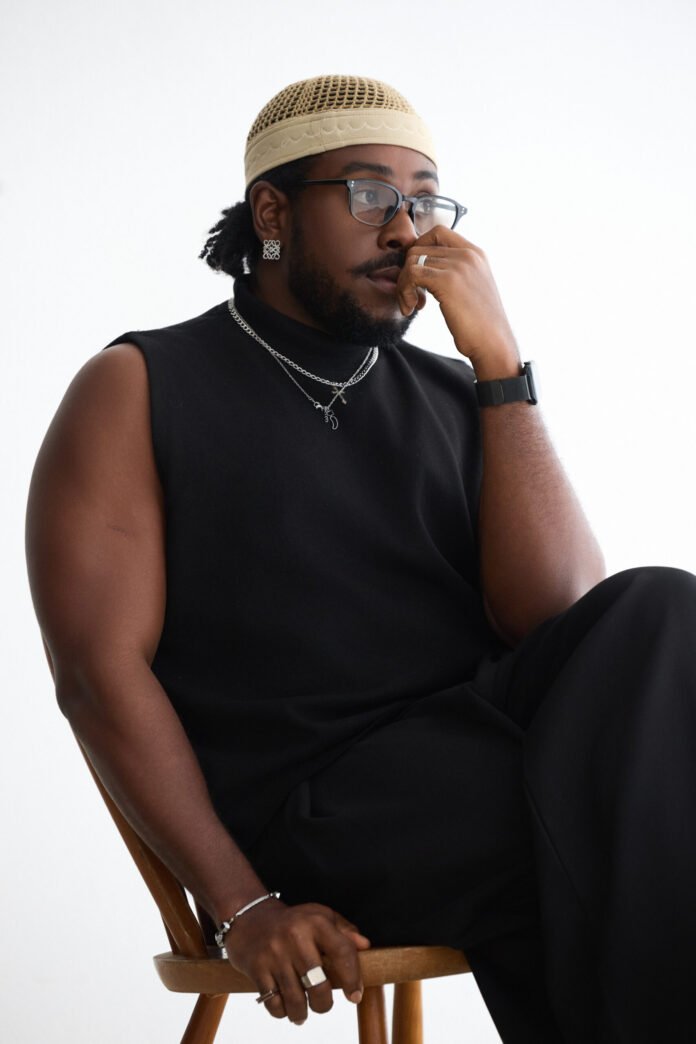
At the Africa Magic Viewers’ Choice Awards, certain categories, such as Best Movie, Best Actor, Best Actress, Best Supporting Actor, and Best Supporting Actress, tend to draw the most attention from viewers due to the presence of familiar favourites. However, the behind-the-scenes categories, such as the Best Costume Design, Best Music Score, Best Art Design and others, do not often get the shout because the nominated faces are not as popular or their faces are not often on the screens. But their roles in movie production are as important as those of the actors and actresses.
So, for the forthcoming AMVCAs this Saturday, we sat down with Ikechukwu Urum, who has been nominated for the Best Costume Design, alongside John Joseph Angel, for To Kill A Monkey. In this brief interview, Ikechukwu tells us what it means to be nominated for the AMVCA and what a costume designer actually does in movie production.
Enjoy the conversations!
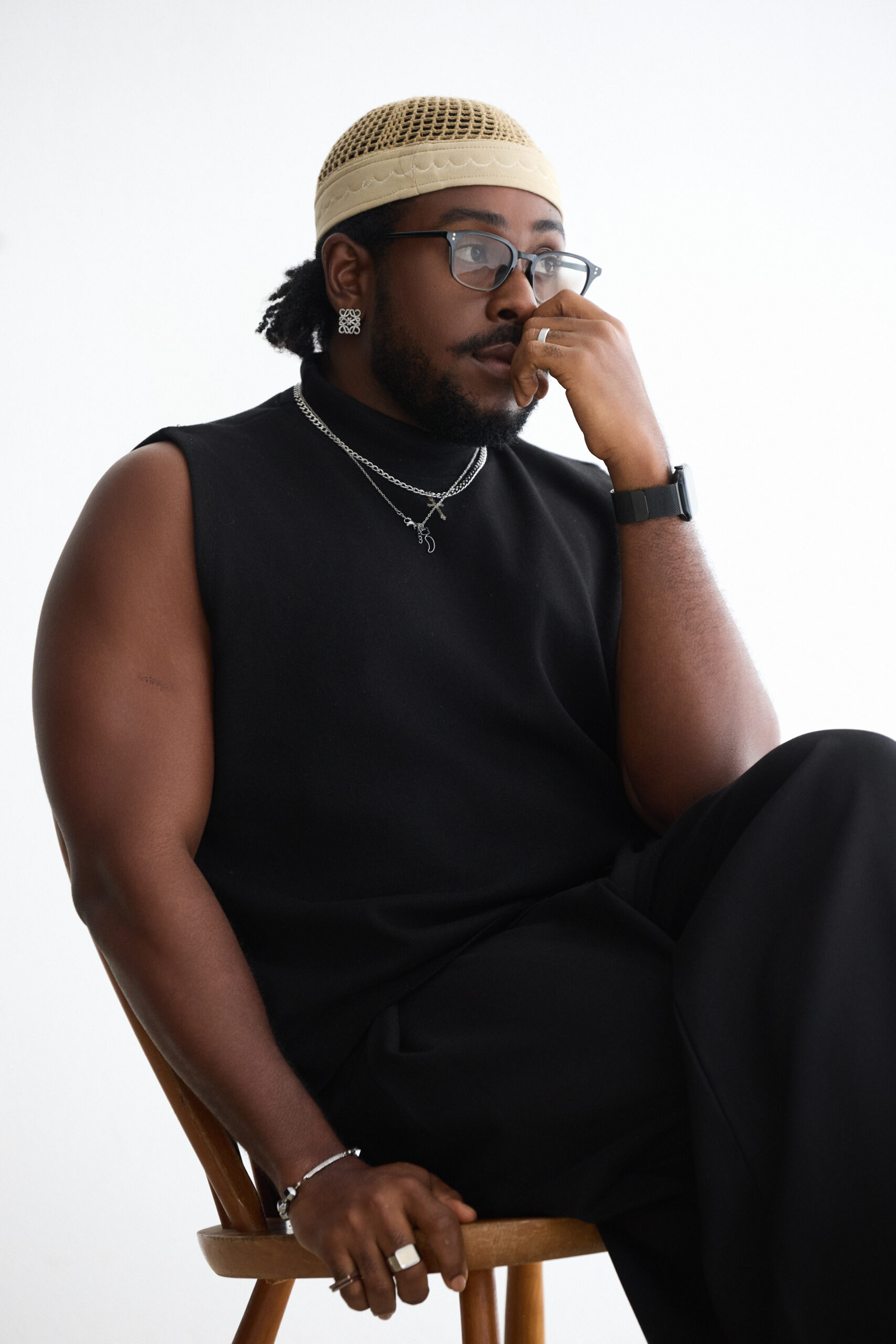
Hello Ikechukwu. How are you feeling?
Honestly, I’m in a season of gratitude. Reflecting on general well-being and work. I am trying to stay afloat inside these feelings rather than rush to what’s next. Life is very fast-paced, and I am making a conscious effort not to rush along with it. Gratitude only works if you actually slow down enough to reflect.
We love that. Speaking of gratitude, tell us something interesting you have been thinking about recently
One thing this season has confirmed to me is that creativity doesn’t have an off switch. It doesn’t clock out, nor does it wait out. It can occur to me at the airport watching strangers navigate luggage and sharing goodbyes, in the middle of a workout at the gym, sitting at a wedding or gathering with friends. Somewhere underneath all of these, my brain is already multitasking and working, building characters for pending projects, mapping sequences and imagining the story hiding inside an ordinary moment.
I recently spent the better half of an event mentally restyling everyone in the room with a friend. We were picking apart people’s outfit choices, trying to understand the logic behind what they’d put together, what was working, what wasn’t, what it said about who they were or how they wanted to be seen. It sounds like a strange thing to confess, but that’s the thing about loving storytelling the way I do. It consumes everything. Every room becomes a set. Every person becomes a study. Inspiration really doesn’t wait for a brief or the right conditions. It just shows up, and you learn to be ready for it wherever you are.
Wow, that’s impressive
Thank you so much.
Let me start by congratulating you on your AMVCA nomination! How did the news meet you? Where were you, and what does this nomination mean to you?
It was special. I was in London for work. I was returning to my apartment that Sunday evening, sitting on a bus, completely unbothered. A Snapchat message came in. “Congratulations on your nomination,” I said thank you, assumed it was about a brand campaign, and kept scrolling. Then another message. Then another. I had to ask one of them, “Which nomination?”
She sent me a screenshot from Twitter. My name. Best Costume Design. AMVCA 2026. I stared at my phone. Read it again. Then jumped off the bus at the next stop, called my family, and cried. A lot. I genuinely wasn’t expecting it. There’s something about being caught completely off guard by good news that just breaks something open in you. This nomination represents years of consistency, sacrifice, and believing in the work during the quiet seasons when nobody was clapping yet. Being recognised by the AMVCAs is humbling. But it’s also fuel to keep going.
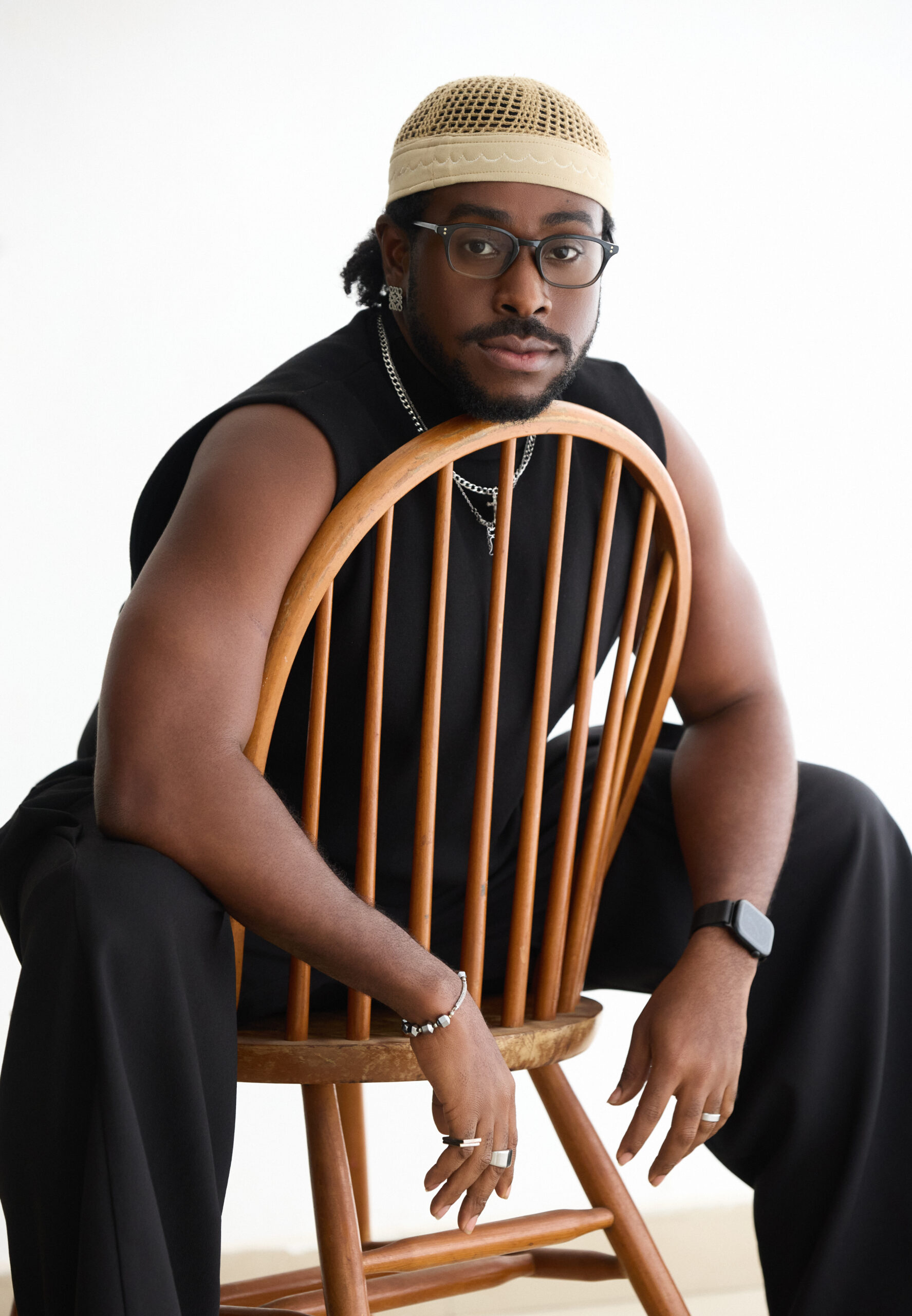
It is definitely fueling. You will agree that being nominated for an award is like the tip of the iceberg; it matters more than the work. So, how did you get to work on To Kill A Monkey? Can you tell us about the process of working on the project? What does it mean to be a costume designer for the project?
I had already worked with the extremely talented Kemi and Remi Adetiba on King of Boys: Return of the King, so when the call came for TKAM, I didn’t hesitate. This was going to be a major project, and I wanted to be part of it.
Working on TKAM was exciting and deeply immersive. From the start, I understood that costume design for film is never just about clothes. It’s storytelling without words. Every character had a psychological and emotional language, and my job was to translate that visually. Kemi would always say you have to dress the character to the scene and to the overall story. So we paid attention to everything. Textures, colours, silhouettes, even the way a character combines certain pieces. The audience may not consciously notice it, but subconsciously, it shapes how they connect with the world you’re building.
The process was research, fittings, long conversations, adjustments, collaboration, and, of course, those unpredictable film set moments where you’re solving ten problems before breakfast. You just learn to move. For me, the job is done when viewers forget they’re watching actors. When they stop seeing costumes and start believing the world they are watching completely, that’s the goal every time.
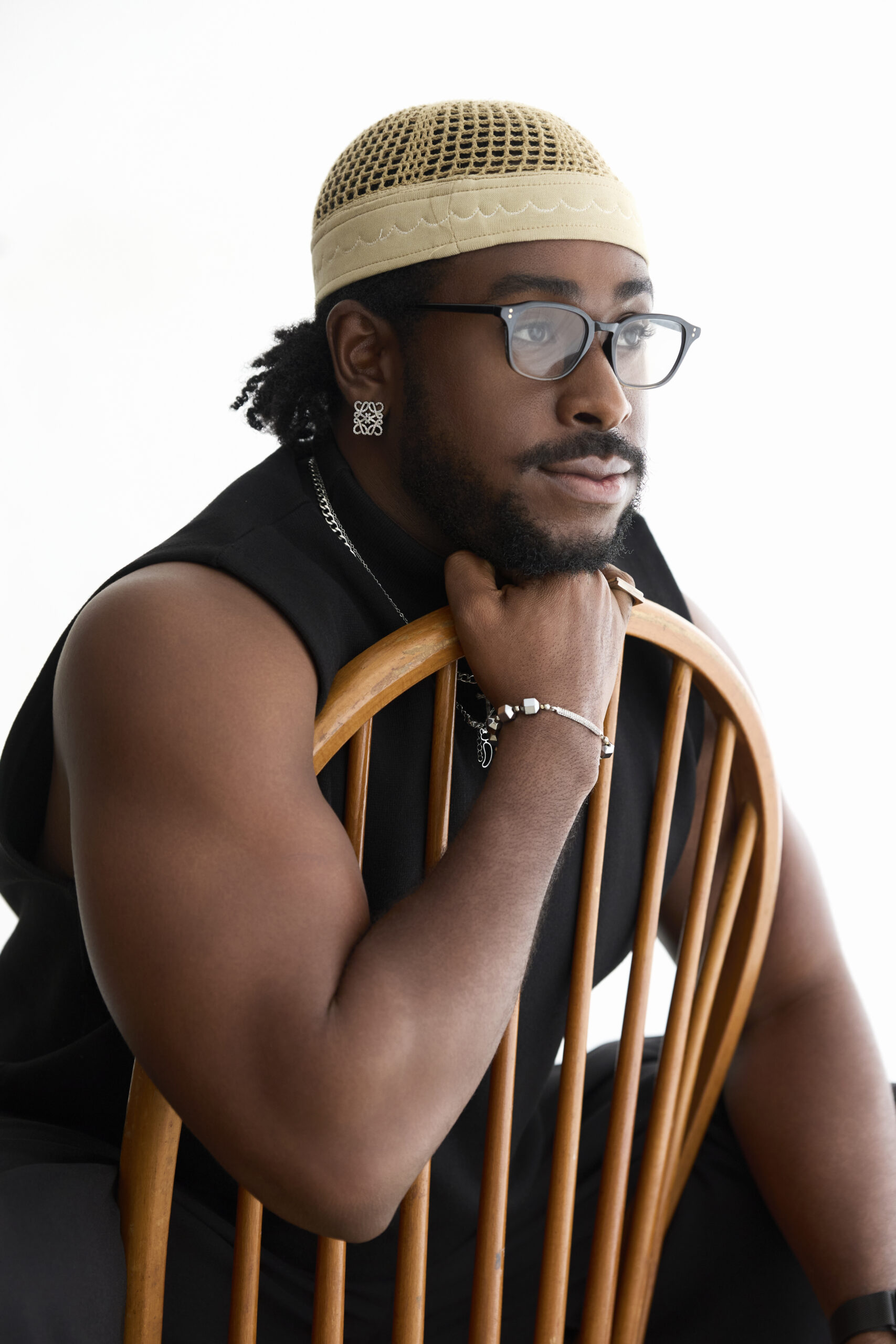
Speaking of appearance and costume designs, tell us about your brand agency
My agency, Jabari Model Management, which I co-founded with my partner, Lukman, started from a very genuine place of passion and vision. We had always been interested in images, storytelling, and how presentation influences perception. Over time, I realised many talented people simply needed structure, direction, and proper branding to fully step into their potential. Jabari Model Management is keen on discovering, nurturing and developing young talents from Africa and around the world into building a sustainable career in the modelling and talent industry.
What does your day-to-day look like?
Honestly, no two days are ever the same, and I think that’s the beauty of creative work. One day, I’m on set handling costumes and fittings, sourcing fabrics, or brainstorming concepts for campaigns and events. Another day, I’m in strategy meetings with partner agencies, working with models, attending fashion week in Lagos and Europe. Somewhere in between all that, I’m answering calls, replying to messages late, and trying to remember if I’ve eaten enough protein for the day.
But beyond the busy schedule, I try to stay grounded. I value moments of quiet because creativity needs space to breathe, too.
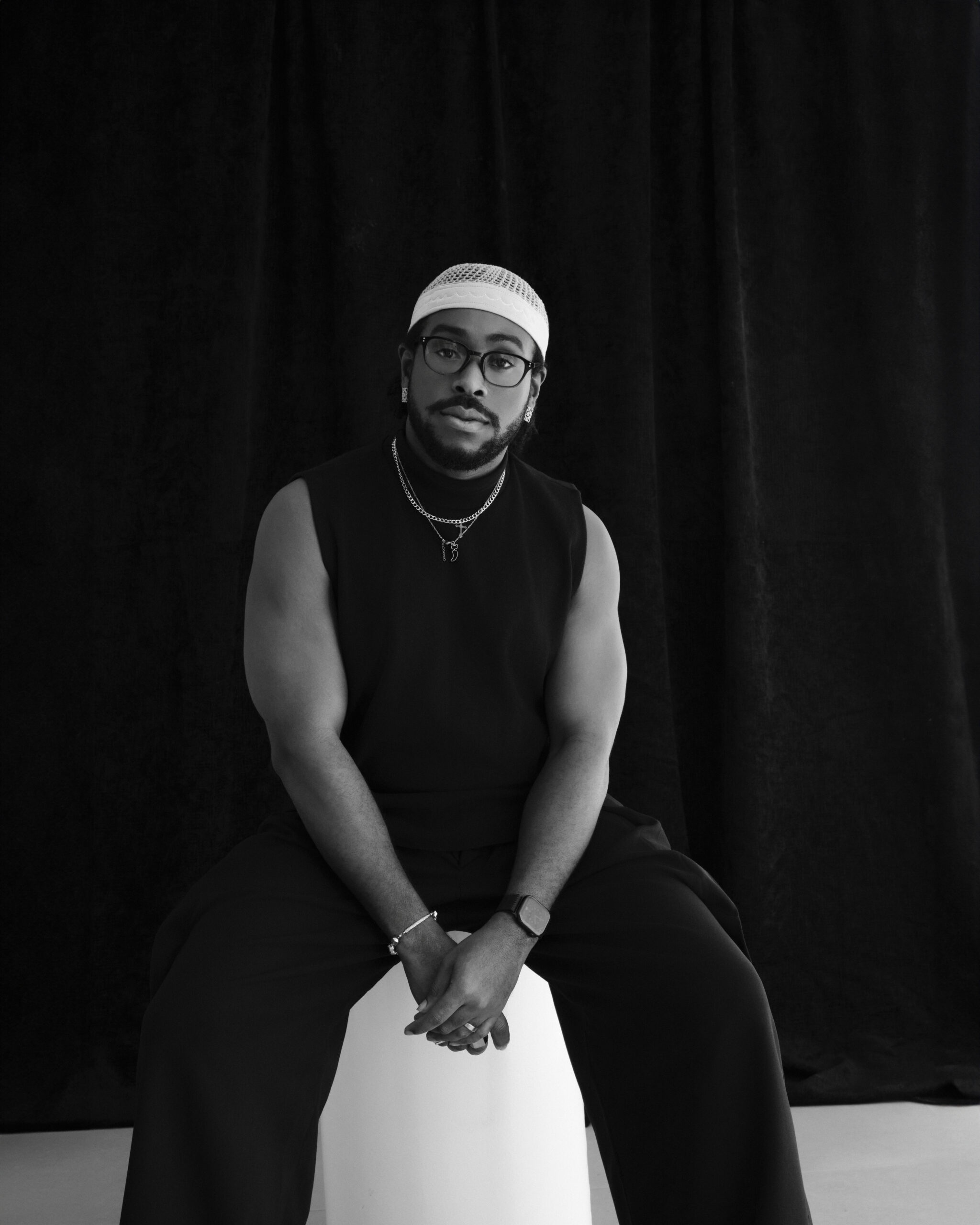
The creative industry can sometimes be…overwhelming. What keeps you motivated despite the pressures of the creative industry?
I remind myself that purpose is bigger than pressure. Creative industries can be demanding, unpredictable, and sometimes exhausting, but passion has a way of keeping you going. I’m also motivated by impact. Knowing that my work can inspire people, shift culture, or help someone see themselves differently makes the journey worth it. And honestly, I still have so much I want to create. I feel like I’m only scratching the surface.
I love that! Are there other projects you’re working on in the film industry, or elsewhere?
Yes, there have been other film projects I have worked on that are unreleased. I recently just finished Co-Producing and Costuming my first Short Film, which will be debuting at Festivals soon. I am so excited that we get to share such a beautiful and important story with the world. I can’t really say so much about it right now, but in due course I will share more.
I’m always interested in telling richer African stories visually and collaborating on projects that push creative standards higher. I’m also passionate about mentoring and creating opportunities for emerging talents because the industry grows stronger when knowledge is shared, not guarded.
Thank you for your time, Ikechukwu
Thank you for having me.
The post How Ikechukwu Urum Turns Costumes Into Storytelling and His Work in “To Kill A Monkey” appeared first on BellaNaija – Showcasing Africa to the world. Read today!.