


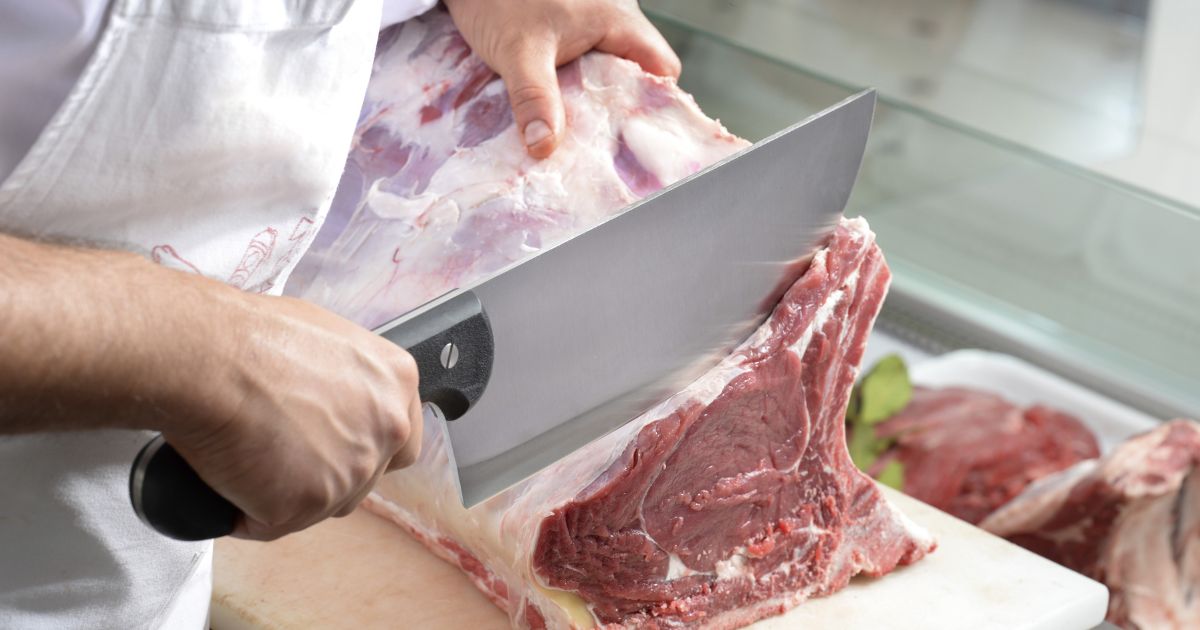
South Africa has a very strong and successful ‘meat culture’. Locals enjoy different meats prepared in different forms, from braai meat to biltong – South Africans love their meat! This cultural norm makes butchery businesses one of the most successful business ideas in the country.
The butchery and meat industry in South Africa is a substantial, high-demand sector with the meat market valued at approximately $7,5 billion in 2020 and expected to grow at a Compound Annual Growth Rate (CAGR) of over 3% between 2021 and 2025. It is a high-volume, competitive sector driven by a strong consumer preference.
For small to medium-sized enterprise (SME) founders looking to start or pivot, the butchery and meat industry is an ideal opportunity. However, it’s not just about supplying meat to consumers; there are various factors that you will need to know beforehand.
In this article, we look at what a butchery business is, what you need to start one and what kind of funding you can access.
What is a Butchery Business?
A butchery business is a retail or wholesale enterprise that specialises in cutting, preparing, and selling meat products, including beef, poultry, lamb, and pork. It serves as a crucial food service provider, often focused on quality, hygiene, and providing specific cuts of meat to consumers, restaurants, and other businesses. There are various types of butchery businesses, such as:
- Retail Butcheries: These are traditional, high-street shops selling directly to the public.
- Supermarket Butcheries: Large chains like Shoprite or Pick n Pay have in-house butchery departments.
- Wholesale Butchers and Suppliers: These businesses focus on bulk supply to restaurants, catering companies, and smaller retail shops.
- Speciality Butcheries: Often focusing on South African favourites, these shops specialise in processed meats like biltong, droëwors, and speciality sausages. They also include butcheries that cater for specific dietary requirements such as Kosher or Halaal meats.
- Artisanal Butcheries: These establishments emphasise quality, offering bespoke services, marinated meats, and sometimes blending other culinary cultures (e.g., Italian or Portuguese) into their offerings.
- Farm/Game Butchery: Located on farms or game reserves, these facilities process high-quality, on-site meat, often targeting niche markets or supplying directly to customers.
Developing a Butchery Business Plan
Before you can start ordering meat in bulk to sell, you need to develop a business plan. This plan will be your roadmap to success, outlining goals, target market, financial projections and operational strategies.
Consider the following:
- Market Research: South Africans have diverse meat preferences. You need to conduct thorough market research in your chosen location to understand the demographics and buying habits of potential customers. Ask yourself these questions: Are there established butcheries nearby? What unique value proposition can you offer (e.g., focus on organic, ethically sourced meat, convenience options like pre-marinated cuts, or specialised cuts for cultural cuisines)?
- Concept Development: You will need to define what type of butchery business you want. Ask yourself: Will your butchery be a full-service operation offering custom cuts, value-added products like prepared meals, and expert butchering advice, or a more streamlined shop focusing on pre-packaged meats? Define the level of service you envision and the equipment you’ll need to achieve it.
- Financial Projections: You have to be realistic about what the costs of starting the business are. This means considering equipment, rent, permits, initial inventory, and staffing costs. Also, factor in ongoing expenses like utilities, waste disposal, and marketing costs. Project your sales figures to determine your profitability timeline.
Permits and Regulations
There are a number of permits and regulations you need to comply with to ensure food safety and ethical business practices. Keep the following in mind:
- Business Registration: Register your butchery as a legal business entity with the Companies and Intellectual Property Commission (CIPC).
- Zonal Permit: Obtain a zoning permit from your local municipality to ensure your chosen location complies with zoning regulations for commercial food businesses.
- Health Permit: The Department of Agriculture (DAL) issues health permits after inspecting your premises and ensuring they meet hygiene and sanitation standards.
- Meat Permit: A meat permit from the Department of Agriculture is required to purchase, store, and sell meat products.
Equipment for Your Butchery
You will need to source dependable and robust equipment to operate a successful butchery. Below are some of the primary tools required and their expected price ranges:
Meat Grinders
Meat grinders are indispensable for producing minced meat and sausages. Prices vary based on motor power, capacity, and brand.
- Entry-level models: R5 000 – R15 000
- Mid-range models: R15 000 – R40 000
- Mid-range models: R15 000 – R40 000
Sausage Stuffers
Sausage stuffers are vital for producing boerewors and other speciality varieties; they come in manual and electric varieties.
- Manual models: R3 000 – R10 000
- Electric models: R10 000 – R30 000
Bandsaws
Bandsaws effectively cut through large meat portions and bones, and their costs depend on size, motor strength, and cutting capacity.
- Small-scale models: R20 000 – R50 000
- Heavy-duty models: R50 000 – R150 000
Refrigeration Units
Proper storage is pivotal for maintaining meat freshness. Buying premium refrigerators and freezers will prevent spoilage.
- Single-door display fridges: R10 000 – R25 000
- Walk-in cold rooms: R50 000 – R200 000
- Blast freezers: R100 000 – R500 000
Biltong Dry Equipment
Biltong remains a favourite among South Africans, so biltong drying equipment is a must-have for many butcheries.
- Small dehydrators: R5 000 – R15 000
- Commercial drying cabinets: R30 000 – R80 000
Scale and Slicers
Accurate weighing and slicing strengthen precision and execution in portion control.
- Digital scales: R2 000 – R10 000
- Meat slicers: R10 000 – R30 000
Vacuum Sealers and Packaging Equipment
Proper packaging extends the shelf life of meat products and maintains hygiene.
- Small vacuum sealers: R5 000 – R15 000
- Industrial-grade sealers: R20 000 – R60 000
Access to Funding for Butchery Business
Funding for a butchery business is available through government funding agencies. Key programmes are:
- Small Enterprise Development and Finance Agency (SEDFA): Offers loans from R50 000 to R15 million for start-ups and expansion, as well as business support, training, and development.
- National Empowerment Fund (NEF): Focuses on black-owned businesses and funding for equipment/startup costs.
- Agro-Processing Support Scheme (APSS): Provides 20% to 30% cost-sharing grants (up to R20 million) for equipment and expansion
- Industrial Development Corporation (IDC): Funds up to 60% of start-up costs for agricultural processing
- National Youth Development Agency (NYDA): Funding for youth entrepreneurs