



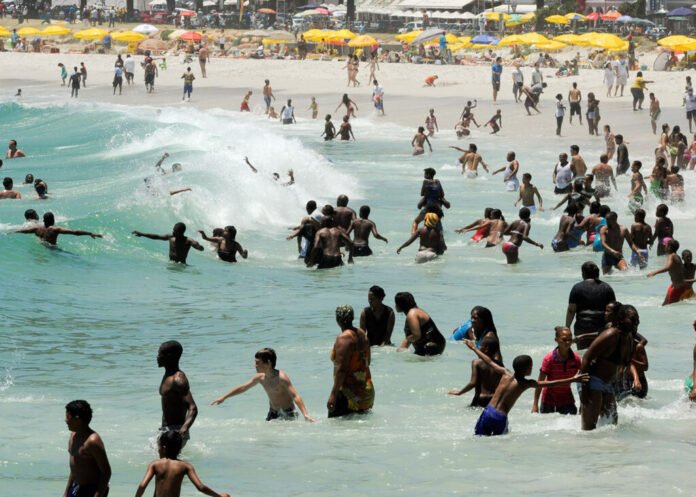
South Africans heading to the coast this Easter are being warned to be extra cautious as a full moon spring tide brings stronger currents and rougher conditions.
The National Sea Rescue Institute (NSRI) warning follows a deadly stretch at the start of the year. The NSRI says it responded to 30 emergency calls over eight days between 25 January and 1 February, in incidents that saw 10 people die in drowning incidents across the country, from beaches in KwaZulu-Natal to remote dams in the Western Cape.
Government warnings highlight the Easter holidays as a high-risk period, urging the public last year to stay away from swollen rivers and dams after heavy rains.
The South African Weather Service (SAWS) forecasts thundershowers across western parts of the country over the Easter holiday period.
Coastal rip current warning
In a recent statement, the NSRI warns of strong tides along South Africa’s coastal regions over the Easter weekend.

NSRI spokesperson Andrew Ingram says, “swimmers, rock anglers, and coastal hikers need to be extra vigilant during this period”. In a statement the NSRI says spring tides bring higher high tides, lower low tides and stronger currents.
Paediatric specialist Dr Lethabo Machaba has also warned families about the dangers of rip currents.
“These are strong, fast-moving channels of water that can pull swimmers away from the shore, often without warning,” she says.
In a recent social media post, she urges swimmers to go into the water only where lifeguards are on duty.
“Fortunately, most beaches in South Africa, and all over the world, have lifeguards who can actually save you,” says Machabe.
Drowning remains a serious risk
Drowning remains a major public health risk in South Africa. ChildSafe South Africa says more than 1,400 South Africans die from drowning each year, and more than 50% of fatal drownings involve children younger than four.
It says drowning is often considered a “silent” crisis that receives less attention than other public health issues.
Stats SA’s 2023 mortality and causes of death report shows that accidental drowning and submersion made up 3.4% of recorded accidental deaths.
Rivers and dams pose a risk too
While beaches get most public attention, inland water can be just as dangerous.
Lifesaving SA’s 2025 fatal drowning report shows that 36% of reported fatal drownings occur in dams and rivers, while 45% occur in ocean settings.
The report says males make up about 80% of drowning victims across all age groups.
Many families gather near inland water over the long weekend. Some communities also use rivers and dams for baptisms and other religious rituals.
Last year, Water and Sanitation Minister Pemmy Majodina appealed to religious communities to suspend rituals at rivers and dams following heavy rainfall in parts of South Africa, which had caused a sharp rise in river and dam levels.
Children face the biggest risk
ChildSafe says drowning is the second biggest cause of accidental death among young children. At least 30% of fatal drownings involve children under 18.
It also warns that drowning often happens “quickly and quietly”. In its 2025 annual report, it says children aged one to 14 carry the highest burden.
The organisation says many drownings can be prevented with sober decisions, close supervision and safer choices about where and when to enter the water.
How to stay safe this Easter

Supervised spaces save lives
Lifesaving South Africa says there were no drownings during duty hours from November 2024 to January 2025, despite huge numbers of beachgoers.
The organisation says the statistics are a strong reminder that designated swimming areas and lifeguards can make a real difference. – Health-e News.