


South Africa
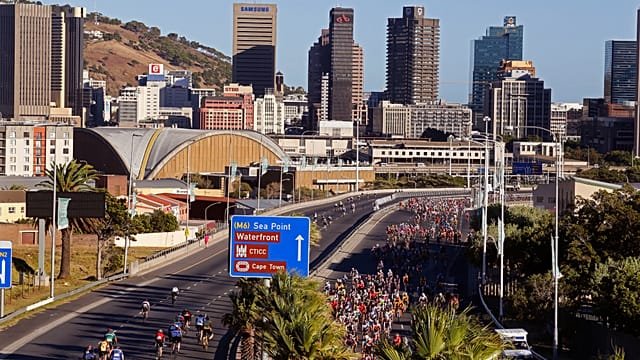
Locals call it the “Hell Run”, a nine-kilometre stretch of highway between Cape Town’s airport and the city centre.
While attacks on the N2, some deadly, have been reported along the busy multi-lane road for years, there has been a surge in hijackings and smash-and-grab incidents in recent months.
But there have been mixed reactions to the city’s plan to build a $7 million dollar anti-crime wall along the strip in South Africa’s tourism hotspot.
Including from residents in Nyanga township which is located close to the airport some 20 kilometres outside the city.
Linda Monakeli, who lives in the area, said she does not think it will help local commuters.
“The perpetrators will be with us mostly here this side and everything will revolve around us. The main thing that I think can help is the involvement of the law enforcement agencies, police.”
While the city has deployed additional law enforcement along the route, the perception among locals is that crime has increased.
Between October and December last, the Nyanga police station reported the highest number of robberies with aggravating circumstances nationwide.
The station was also listed as the second highest for murders, seeing a 29 percent increase compared to the previous quarter.
A key feature is a three-metre “safety barrier” to reinforce a broken concrete palisade fence and keep the road clear of potential criminals, as well as pedestrians and animals.
The chairman of the Nyanga Community Policing Forum chairman, Dumisani Qwebe, said the city should rather look at improving living conditions in the area.
This included 24-hour surveillance cameras and decent sanitation, with women particularly at risk of sexual violence when they use outside toilets at night.
“That security wall, it will be a problem to the community themselves because they won’t be safer, because it is meant for the motorist only. And these thugs will have more time to attack the community and rob them,” he said.
Critics warn the wall will be ineffective, saying the root cause of poverty needs to be addressed, while some see it as a continuation of apartheid-era spatial separation.
That stretch of road is lined by poor townships and cleric and activist, Allan Boesak, accuses the city of wanting to hide them from visitors.
“They don’t want people to know that there is a distinct difference between white Cape Town and black Cape Town, rich Cape Town and impoverished Cape Town,” he said.
Boesak thinks building a wall will just “bring a division in the community that is totally unnecessary”, instead of investing in these communities.
“Instead of uplifting those people, they are just trying to push poverty into something that we do not want to see, therefore we do not have to worry about it.”
While some accuse the metro of trying to hide this inequality, Cape Town’s mayor stresses that most of the hundreds of thousands of people using the road each day are local commuters.
Approximately 800 soldiers are due to be deployed to the city’s crime hotspots, particularly the Cape Flats region, from 1 April to support police working in these areas.
You may also like
From the same country