


17:07
US envoy Steve Witkoff said there were “strong signs” Iran could be convinced to make a peace deal, confirming that Washington had passed a 15-point plan to Tehran through mediator Pakistan.
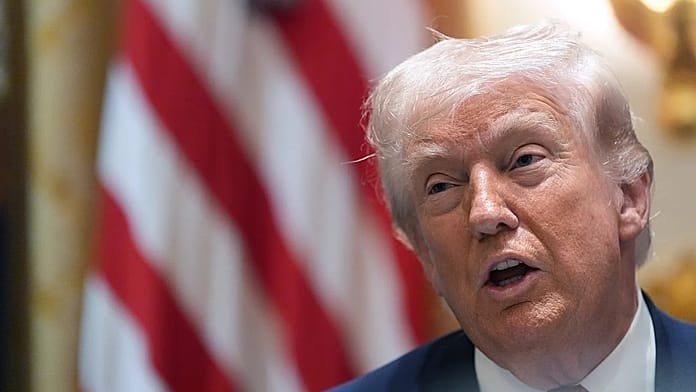
US President Donald Trump said on Thursday that Washington’s military operations against Iran are “extremely” ahead of schedule, citing an original timeframe of four to six weeks for the war that began nearly a month ago.

ADVERTISEMENT
ADVERTISEMENT
“We estimated it would take approximately four to six weeks to achieve our mission. Twenty-six days in we’re extremely, really, a lot ahead of schedule,” Trump told his first cabinet meeting since the war started on 28 February.
Trump also said he wanted to “set the record straight” that he isn’t the one pushing for a deal to end the fighting.
“They’re begging to make a deal, not me,” Trump said.
Iranian officials have denied that they are negotiating with the US as the war continues in its fourth week but Trump insisted they are.
“Anybody would know they’re talking,” he said. “They’re not fools, they’re very smart actually in a certain way. And they’re great negotiators. I say they’re lousy fighters but they’re great negotiators.”
US special envoy Steve Witkoff said there were “strong signs” Iran could be convinced to make a peace deal, confirming that Washington had passed a 15-point plan to Tehran through mediator Pakistan.
“We will see where things lead, and if we can convince Iran that this is the inflection point with no good alternatives for them, other than more death and destruction. We have strong signs that this is a possibility,” Witkoff said at the cabinet meeting in the White House.
IRGC navy commander killed
Meanwhile, the US military said an Israeli air strike that killed the commander of the Iranian Revolutionary Guards’ navy “makes the region safer.”
Admiral Brad Cooper, commander of US Central Command (CENTCOM), said in a statement that every Iranian serving in the IRGC navy should “abandon their post and return home to avoid further risk of unnecessary injury or death.”
That comes after Israel said earlier on Thursday that it had killed Commodore Alireza Tangsiri, the head of Iran’s Islamic Revolutionary Guard Corps Navy (IRGCN).
“The man who was directly responsible for the terrorist operation of mining and blocking the Strait of Hormuz to shipping was blown up and eliminated,” Defence Minister Israel Katz claimed.
There has been no confirmation of Tangsiri’s death from Tehran.
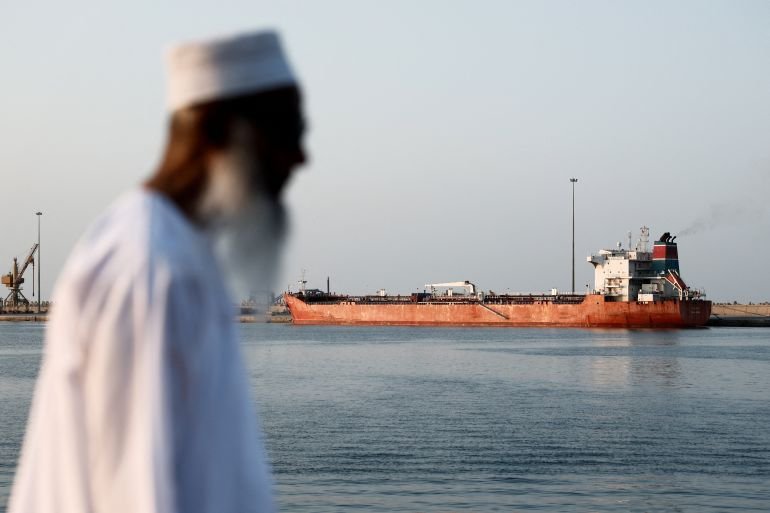
The Strait of Hormuz is one of the world’s most important energy routes and before the war carried around a fifth of global oil supply and key liquefied natural gas exports from the Gulf.
Iran has effectively closed the strait since the start of the war, prompting oil prices to soar.