


Austria
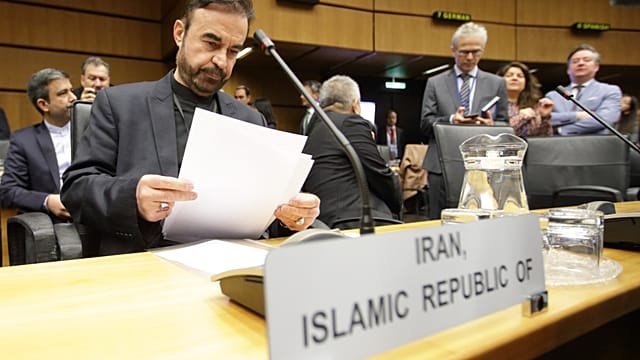
The International Atomic Energy Agency (IAEA) convened an extraordinary session in Vienna following a sharp escalation of tensions after joint Israeli–US strikes on Iran and Tehran’s retaliatory missile attacks. Iran’s representative to the Vienna-based agency accused Washington of using “weapons of mass deception” to justify the attacks, citing historical precedent.
Reza Najafi, Iran’s permanent representative to the IAEA, said: “The historical evidence shows that the issue of possible weapons of mass destruction in countries is just a pretext to attack and invade.” His comments echoed concerns over the credibility of intelligence in international conflicts, highlighting the shadow of past controversies, including the 2003 invasion of Iraq, where false claims about weapons of mass destruction severely undermined trust in U.S. and British intelligence.
The head of the UN’s nuclear watchdog, Rafael Grossi, described the situation in the Middle East as “very concerning,” urging “utmost restraint.” He confirmed that so far the IAEA has “no indication” that any of Iran’s nuclear installations have been damaged. The extraordinary session preceded a regularly scheduled meeting of the IAEA’s 35-nation Board of Governors.
Western countries, led by the United States and Israel, accuse Iran of pursuing nuclear weapons, a charge Tehran denies, insisting its nuclear programme is for civilian purposes. Analysts say the ongoing confrontation underscores the risks of misjudged intelligence and political pressure in driving international conflict, lessons painfully illustrated by past episodes like Iraq, where distorted intelligence led to war, regional instability, and lasting damage to global credibility.
You may also like
From the same country