


20/02/2026 – 16:15 GMT+1
Iran arrests 50,000 in nationwide protests, with rights groups reporting tens of thousands killed, death sentences, torture, and widespread asset seizures.
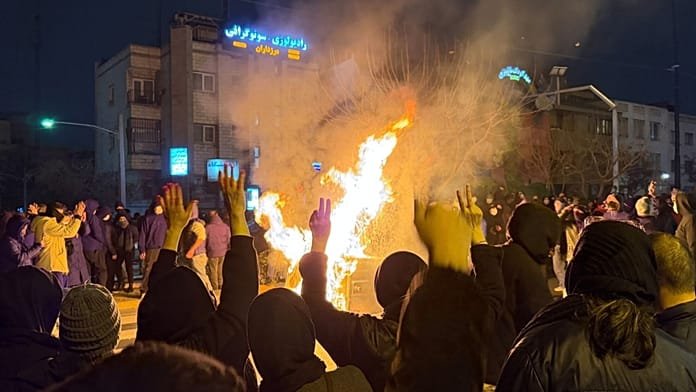
Iranian security forces have arrested at least 50,000 people across the country in the month since deadly crackdowns on mass protests that killed thousands, according to human rights organisations.

ADVERTISEMENT
ADVERTISEMENT
The arrests have targeted students, doctors, lawyers, human rights activists and minors, with many detainees held in unknown locations without access to legal counsel or family contact, the organisations said.
Iran’s government announced a death toll of just over 3,000 from the protests on 8 and 9 January.
However, human rights organisations relying on hospital data, medical sources and testimony from victims’ families put the figure at as many as 30,000, with some reports reaching a total of 43,000.
The protests erupted in late December over economic hardship, then escalated into broader anti-government demonstrations. Iranian authorities imposed a nationwide internet shutdown on 8 January that lasted 18 days, with disruptions continuing.
Death sentences and forced confessions
Iran Human Rights (IHRNGO), a Norway-based organisation, announced on Thursday that at least 26 protesters have been sentenced to death in the past month.
Hundreds more, including detained children, face charges that could lead to capital punishment.
The organisation said death sentences were issued based on confessions extracted under torture without due process. More than 30 people were executed in Iranian prisons this week alone, according to the Iran Human Rights Society.
Some protesters have been sentenced to death in online court hearings, with 14 protesters receiving death sentences in a single such proceeding, according to reports from inside Iran.
Human rights organisation HRANA reported that Iranian state media has broadcast 337 cases of forced confessions and summoned more than 11,000 people to security agencies in connection with the protests.
Meanwhile, videos published from funerals of protesters show government forces attacking ceremonies and shooting at participants, according to human rights groups.
Asset confiscation
Iran’s judiciary announced it has begun confiscating assets of people who supported the protests.
Prosecutors in several provinces, including Khorasan Razavi, said they would seize the property of prominent individuals and business owners who “invited and encouraged young people and teenagers to riot”.
Mohammad Saedinia, owner of the Saedinia food group and cafe chain with more than 500 outlets in Iran and 30 countries worldwide, was arrested after supporting the protests and bazaar strikes. All his property and assets were confiscated even after his release.
Saedinia had built a nursing home in his hometown of Qom at his own expense and is considered a philanthropist in Iran. Authorities forced him to sign a letter of apology and remorse but still confiscated his property.
Forced participation in government rallies
HRANA reported that families of detainees were required to participate in the anniversary march of the 1979 Iranian Revolution and provide photos and videos of their attendance as a condition for bail, in addition to written pledges.
Saedinia was among those forced to participate in the march.
Despite the crackdown, protests by students continue, and anti-government slogans persist in cities at night, according to reports from Iran.