




The nightlife business is as lucrative as any corporate business you can think of. The slight difference is that while corporate workers sort through many files, write emails, and work through sometimes boring hours, nightlifers party and have a good time. But as nightlifers party and corporate workers grunt about their monthly pay, everyone aims for the same thing: how to get people to buy their products.
Over the years, the idea of nightlife has evolved from just clubs to curated events, but the soul or the essence of nightlife has never changed. Everyone wants to have a good time.
At the mention of nightlife, some of the names that come to mind are Yhemo Lee and Poco Lee. Before Yhemo Lee ventured into other businesses, he was one of the prominent names when nightlife was mentioned. Poco Lee has been attributed with never sleeping because he’s always outside. But what does the nightlife business and structure look like behind the scenes? How are the experiences curated? What is the business side of it? How do clubs get filled?
I spoke to Collette Otsu, who has been organising nightlife parties for the past four years narrates how the structure looks.
Hey Collette. How did you first get into the nightlife business?
It started very casually. At the time, I was always curating an informal event calendar for my friends, people who were constantly asking where to go from Monday through Sunday and what was actually worth attending. I enjoyed doing that, and it became a natural way to bring like-minded people together. Eventually, a friend asked why I didn’t turn it into something more intentional. Through that suggestion, I organised my first gathering, Games Night with Coco. Gradually, I realised there was a real appetite for thoughtfully curated social events.
How many years have you been doing this, and at what point did you realise it could actually be a business?
By 2026, it will be four years. Once I was able to keep the concept running consistently for a full year, I realised I had a choice: either walk away or commit to building something meaningful from it. It truly began to feel like work when I noticed that positive reactions to my promotional materials were no longer translating into actual attendance. And in nightlife, numbers are everything. If you can’t bring people through the door, the venue doesn’t make money, and neither do you. That’s when I understood that visibility alone isn’t enough; it requires more work. And the best part? I genuinely have fun while doing it.
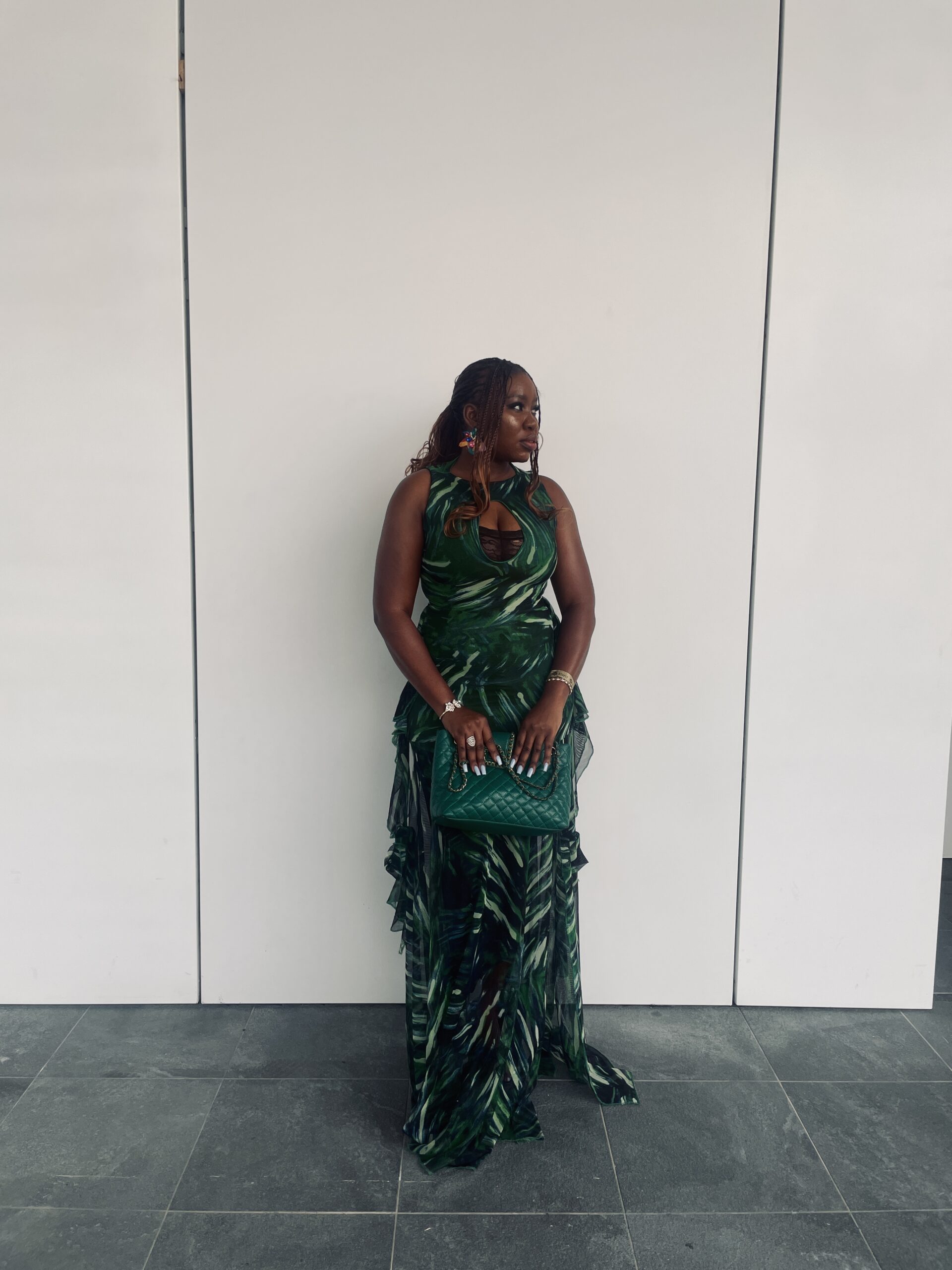
Collette Otsu
For people who don’t understand how nightlife collaborations work, can you tell us about the process?
Nightlife collaboration is a very different ball game, and a lot of work goes into making it profitable, not just for the host but for the venue as well. You need to understand the kind of event you’re creating and the audience you’re trying to attract, because that informs every decision that follows. Once that’s clear, conversations begin with potential partner venues.
In some cases, I have pitched event concepts. Some others, I have been approached to design experiences tailored to a venue’s existing audience. Those initial discussions focus on the value being offered, how the event can drive revenue for the business, and how commissions or payments will be structured. Dates, timing, and guest incentives are also agreed on before contracts are signed. Promotion typically starts at least two weeks before the event.
How do you get people to attend? As you said, online visibility is not enough?
I rely heavily on word of mouth and community engagement. Yes, online engagement doesn’t always translate into people actually showing up. I keep in touch with my community in the lead-up, including check-ins the night before and on the day of the event.
On the day itself, I am fully hands-on. Depending on the event, the venue usually provides the DJ and hypeman, while I focus on welcoming guests, coordinating seating, and ensuring everyone is comfortable and attended to. A successful night isn’t just about filling the space; it’s about creating an experience that people want to return to.

Courtesy: Collette Otsu
Let’s talk about. How do nightlifers get paid? How do you get paid?
Payment structures vary, but they are usually tied directly to performance. In some cases, there is an agreed fixed fee with the venue. More commonly, payment is commission-based, calculated as a percentage of sales on event nights, particularly drink sales.
Sha, earnings are driven by volume. The more guests you bring in and the more they spend, the higher the return. Unless a fixed arrangement is in place, income in nightlife is closely linked to how well an event performs.
Do you think there can be any challenges in the business? Like, things that could hinder payments or something?
When I first started, I faced challenges that almost made me quit. My first Christmas event didn’t go as planned. I underestimated traffic in that area, and many people couldn’t get to the venue. I even tried a follow-up event a week or two later for those who missed it, and only two people showed up. I was devastated because it was my first experience with a very low turnout. But after taking a step back to strategise, I came back bigger and better a few months later. Financially, I initially treated it as a side gig or extra allowance; a way to create fun moments for friends and like-minded people.
When nightlife is mentioned, Lagos is often the reference. Do you think this kind of business could thrive the same way outside Lagos?
Honestly? I’d say it’s about 50/50. Nightlife really depends on the people and the experiences you create. Lagos has a special energy, but with the right plan, patience, and creativity, it can definitely work in other cities. You’ve got to be intentional. Know what kind of event you want to host, how you’ll make it happen, and who you’re trying to reach. Even in big cities, nightlife isn’t for everyone; that’s why you will see the same faces on certain nights, and why events usually cater to a select crowd.
Things might not take off as quickly as you expect. Turnout may be low sometimes, money may not flow immediately, but that’s okay. You will figure out what’s not working, adjust, and give people a reason to come back.

Courtesy: Collette Otsu
Financially, how sustainable is nightlife work in the long term? You mentioned that you consider it a side gig. Do you think it could be something you want to focus on fully later on?
This is a good one, lol. Nightlife can absolutely be sustainable long-term if approached strategically. I currently run two recurring events: one weekly and one monthly, and I am always thinking of ways to create experiences for people outside the usual nightlife crowd. My audience is diverse, and as they evolve, I evolve with them.
Could this grow into something bigger? Definitely. For now, I am proud to be the principal at my own “school of fun experiences,” building something I love and that people genuinely enjoy.
If anyone wants to enter the nightlife business but doesn’t know where to start or what to expect, what can you tell them?
It’s fun, it’s chaotic, and yes, it’s work. Start by figuring out your vibe, who you want at your events, and how to actually get them through the door. If the first few nights are slow, it happens to everyone.
Focus on building relationships with venues, managers, DJs, and your people. Be consistent and make every event an experience people will actually remember. Stick with it, keep learning, and have fun while doing it. Done right, nightlife isn’t just a side gig; it can become a full-on, sustainable business and a lot of fun while you are at it.
The post Is Nightlife a Serious Business? appeared first on BellaNaija – Showcasing Africa to the world. Read today!.